✨ This post was created with the support of AI tools and carefully edited by our team for accuracy, clarity, and readability. Learn more in our Editorial Policy.
📸 Images shown in this article are created by us using Midjourney and are curated and refined manually before publishing. We do not use scraped or unlicensed images.
🛍️ This post contains affiliate links. As an Amazon Associate, we earn from qualifying purchases — at no extra cost to you. We only recommend products we’d actually wear.
Winter Wardrobe Essentials: Stay Warm & Stylish
I used to dread the first cold snap every year — not because of the weather, but because my closet was full of pieces that didn’t work together. Once I got intentional about my winter wardrobe essentials, everything changed. This guide breaks down exactly what you need to stay genuinely warm without sacrificing a single ounce of style.

Why a Curated Winter Wardrobe Changes Everything
There’s a common myth that dressing well in winter means choosing between warmth and style. I fell for it for years — layering whatever was thickest and ending up looking like a marshmallow by November. The real answer is that a well-chosen set of cold weather essentials actually makes you warmer and more pulled-together at the same time.
The key difference is intentionality. A winter capsule wardrobe built around versatile, high-quality pieces creates more outfit options with fewer items. You’re not starting from scratch each morning — you’re mixing and matching a system that already works. That’s the freedom a strong foundation gives you.
For women who want to feel confident through the coldest months, the goal isn’t owning more — it’s owning the right things. The pieces in this guide are tried-and-tested across every scenario: a brutal commute, a casual weekend brunch, a holiday dinner, and everything in between.
✅ Signs You Need to Refresh Your Winter Wardrobe Basics
- You’re always cold despite wearing a lot of layers
- Nothing in your closet pairs well with your winter coat
- You wear the same two or three outfits on repeat all season
- Your “warm” pieces look bulky rather than intentional
- You dread getting dressed when the temperature drops
- Your base layers are pilling or losing shape after one wash
How to Choose Winter Wardrobe Basics That Look Expensive
Not all winter pieces are created equal, and the price tag doesn’t always predict quality. The pieces that look expensive share a few consistent traits — and once you know what to look for, you can spot them quickly whether you’re shopping in-store or online.
Fabric First — Always
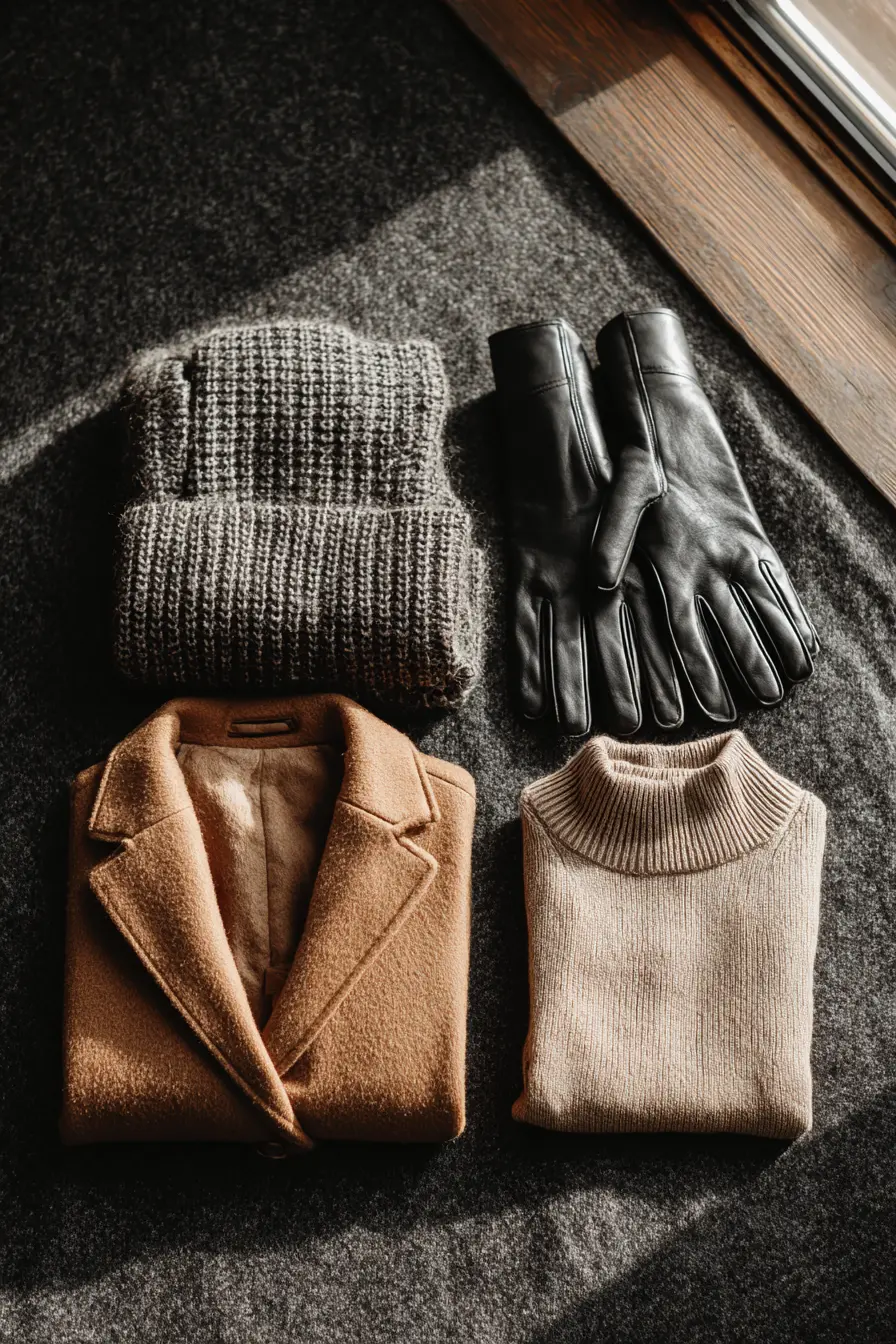
Natural fibers like wool, cashmere, and cotton are warmer, more breathable, and hold their shape better than synthetic alternatives. For coats and sweaters especially, look for at least a partial wool content — even a wool blend coat drapes and wears significantly better than 100% polyester. For base layers, merino wool is the gold standard: it regulates temperature, resists odor, and feels soft directly against skin.
Fit Matters More in Winter
Oversized is a style choice — unintentionally boxy is not. When trying on coats or structured pieces, pay attention to the shoulder seam. It should sit right at your shoulder or just slightly off — if it’s dropping down your arm, the piece won’t hang cleanly. For sweaters, consider whether the volume is balanced with your bottom half. A chunky-knit top reads intentional over slim trousers; less so over wide-leg pants.

✗ Avoid
- 100% acrylic sweaters that pill after 2 wears
- Coats with misaligned buttons or unfinished inner seams
- Trendy prints on investment pieces like coats and boots
- Ultra-thin “fashion” scarves that provide zero warmth
- Boots with thin soles on snowy or icy days
- Matching sets that only work together, not separately
✔️ Go For
- Wool or wool-blend coats in neutral tones
- Cashmere or merino turtlenecks that layer seamlessly
- Classic ankle boots with a block heel for grip and style
- Oversized scarves in a solid that works with everything
- Leather or lined gloves that actually fit your hand
- Slim or straight trousers that tuck easily into boots
I’ve ordered wool-blend coats online that looked beautiful in photos but arrived with stiff, scratchy lining that made layering underneath genuinely uncomfortable.
On Amazon I filter specifically for coats that mention a soft inner lining or full-length lining in the description — that one detail determines how much you actually wear the coat all winter.
10 Winter Outfit Ideas Using Your Essentials
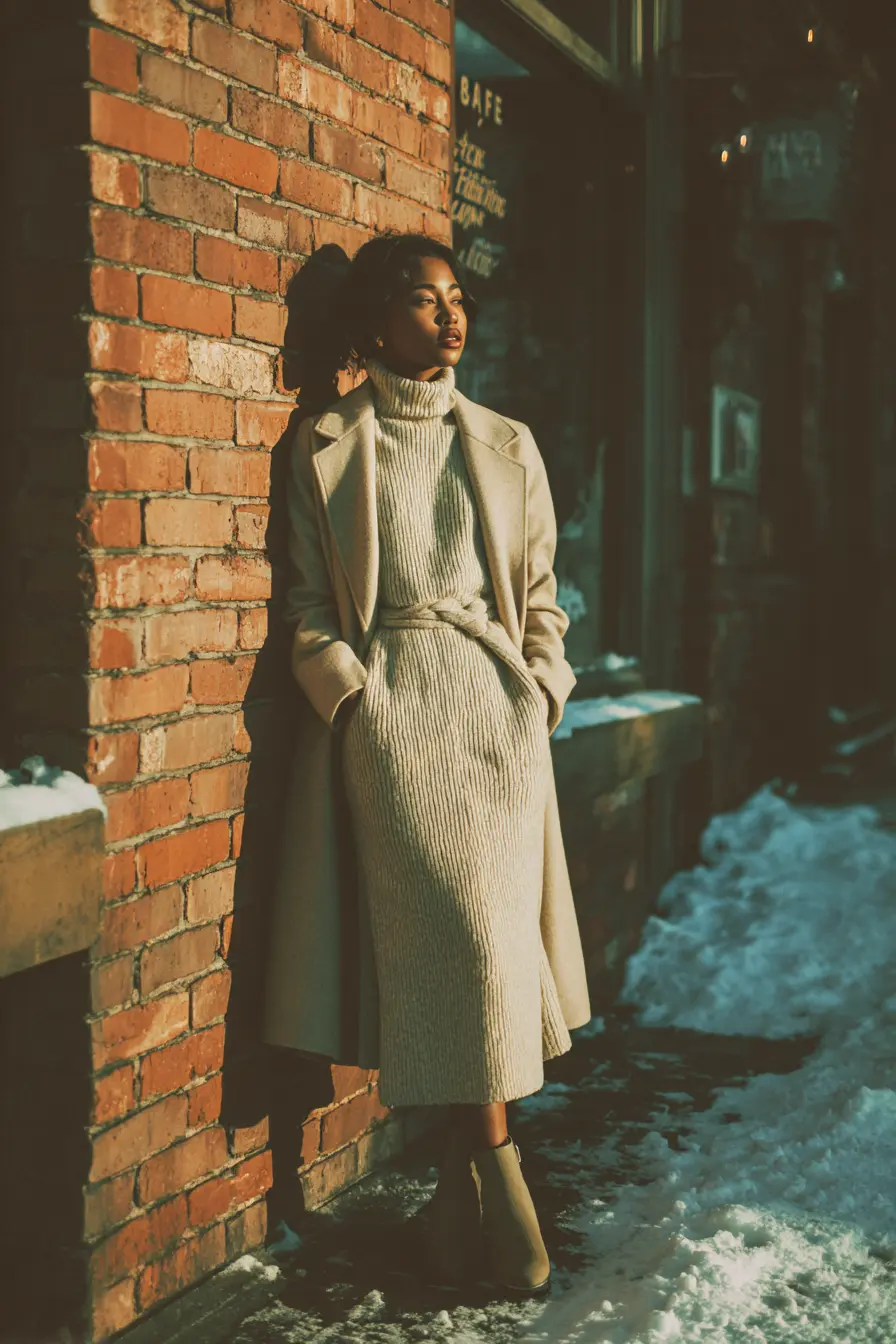
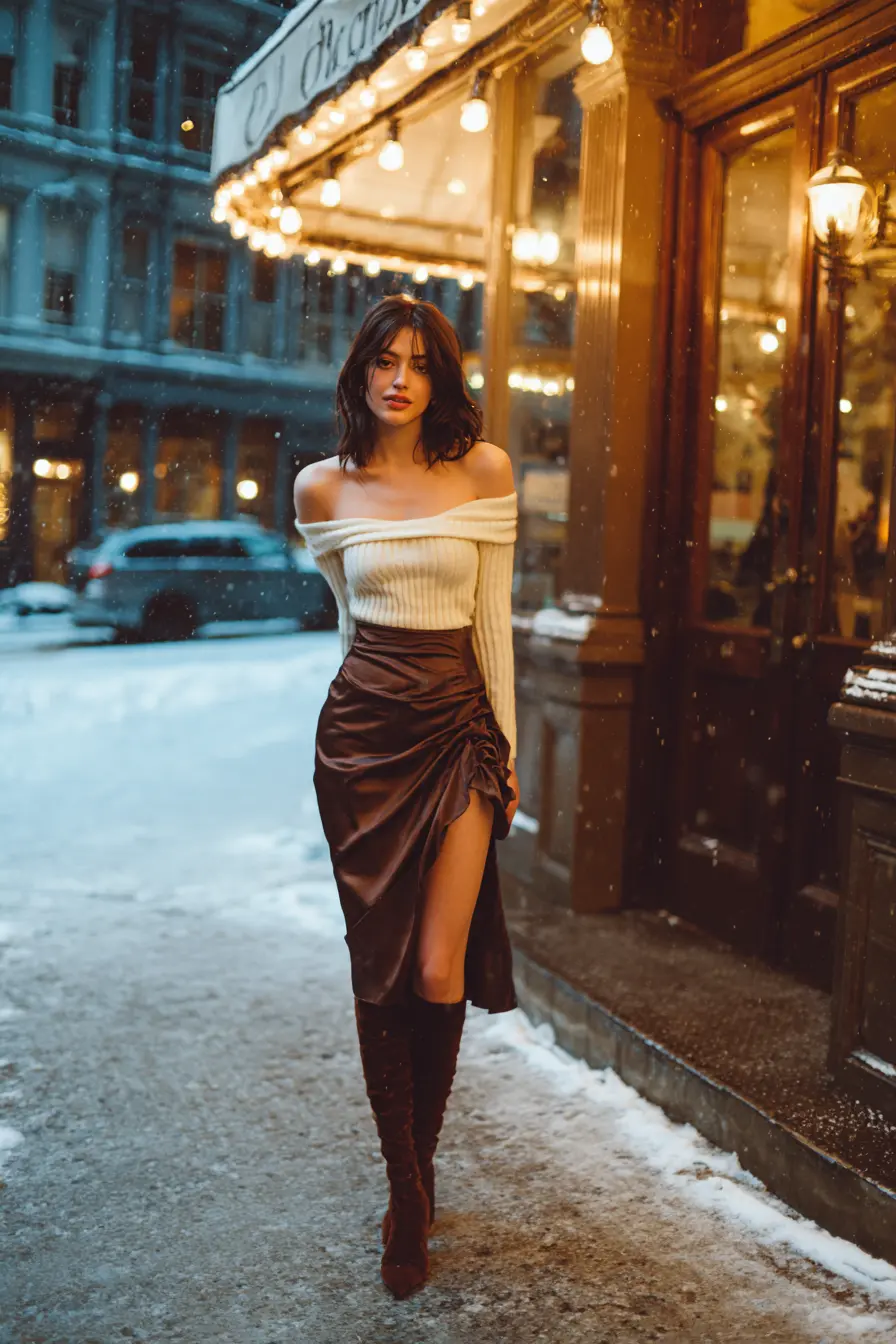
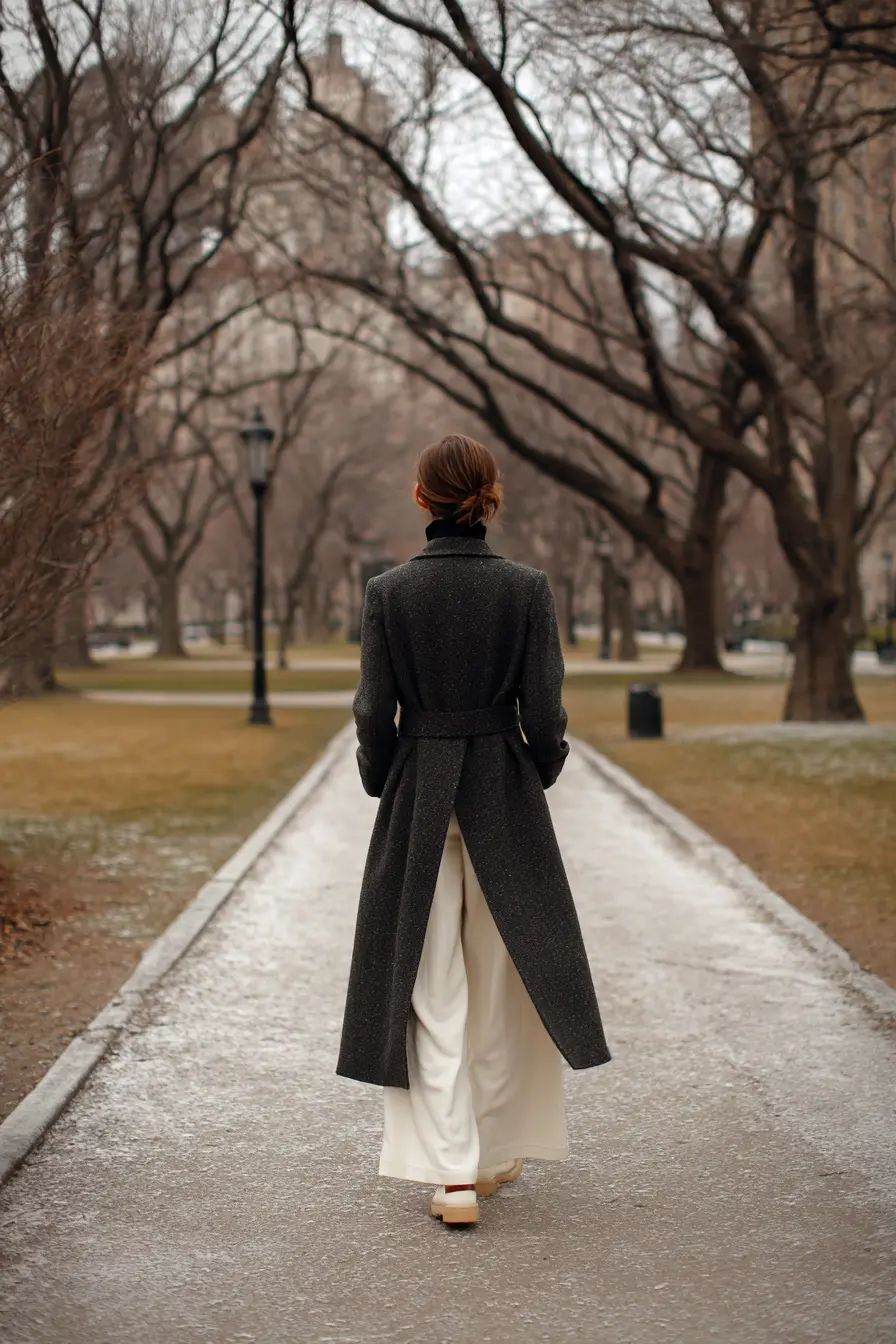
The beauty of a solid winter capsule wardrobe is that it multiplies. These ten outfit formulas all pull from the same core pieces — which means you can build them without buying anything new if you already have the basics in your closet.






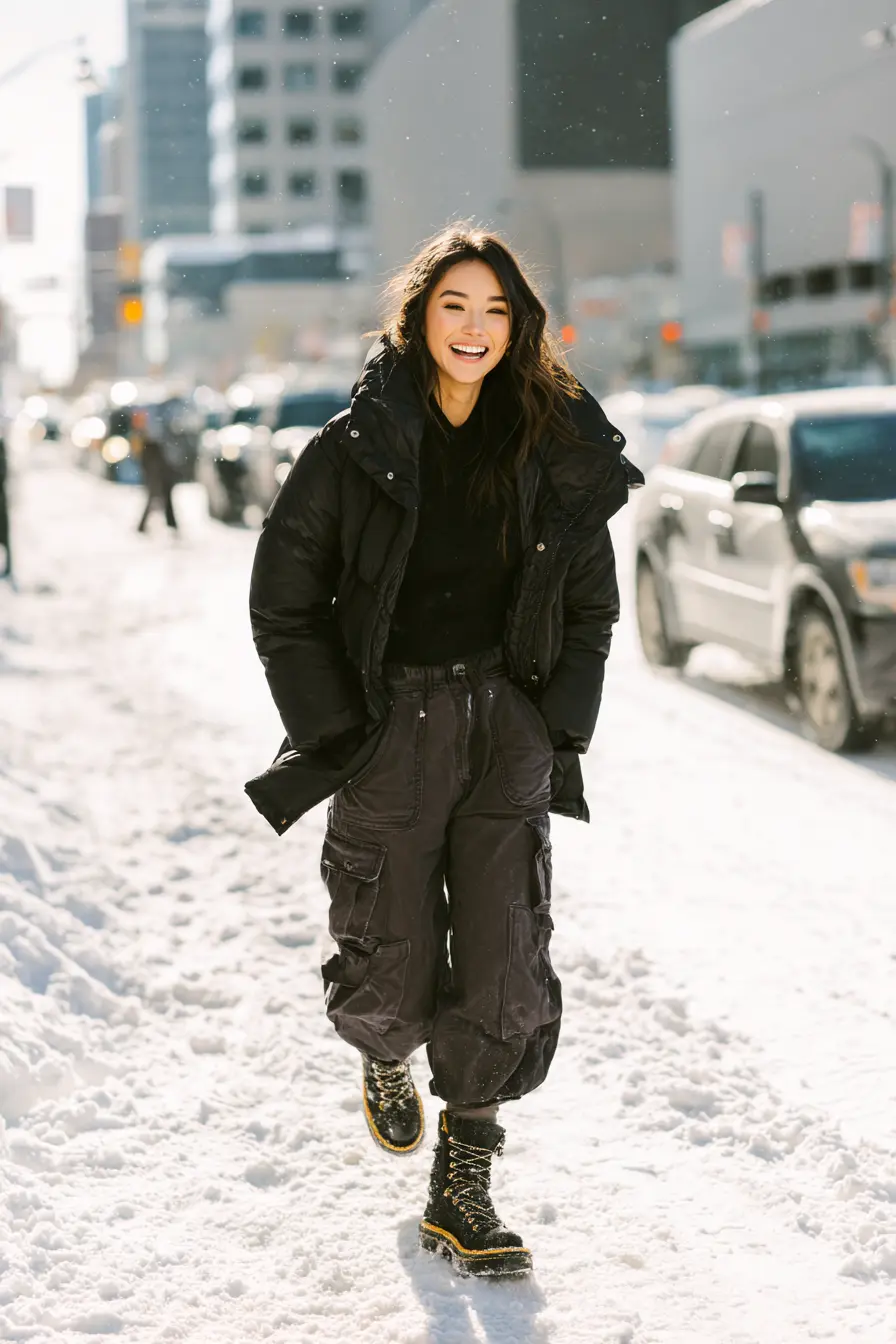
I’ve noticed that the sweaters and base layers I reach for most on cold days are almost always the ones with a brushed interior or a soft loop-back construction.
When I shop on Amazon I specifically look for descriptions mentioning “brushed interior,” “fleece-lined,” or “merino blend” — those words reliably predict whether a piece will actually feel good to wear all day.
Types of Winter Wardrobe Essentials (And How to Style Each)
Winter dressing has a hierarchy — and knowing which category each piece belongs to helps you understand how to use it. Here’s how to get the most out of every tier of your winter wardrobe basics.
The Outer Layer: Coats & Jackets
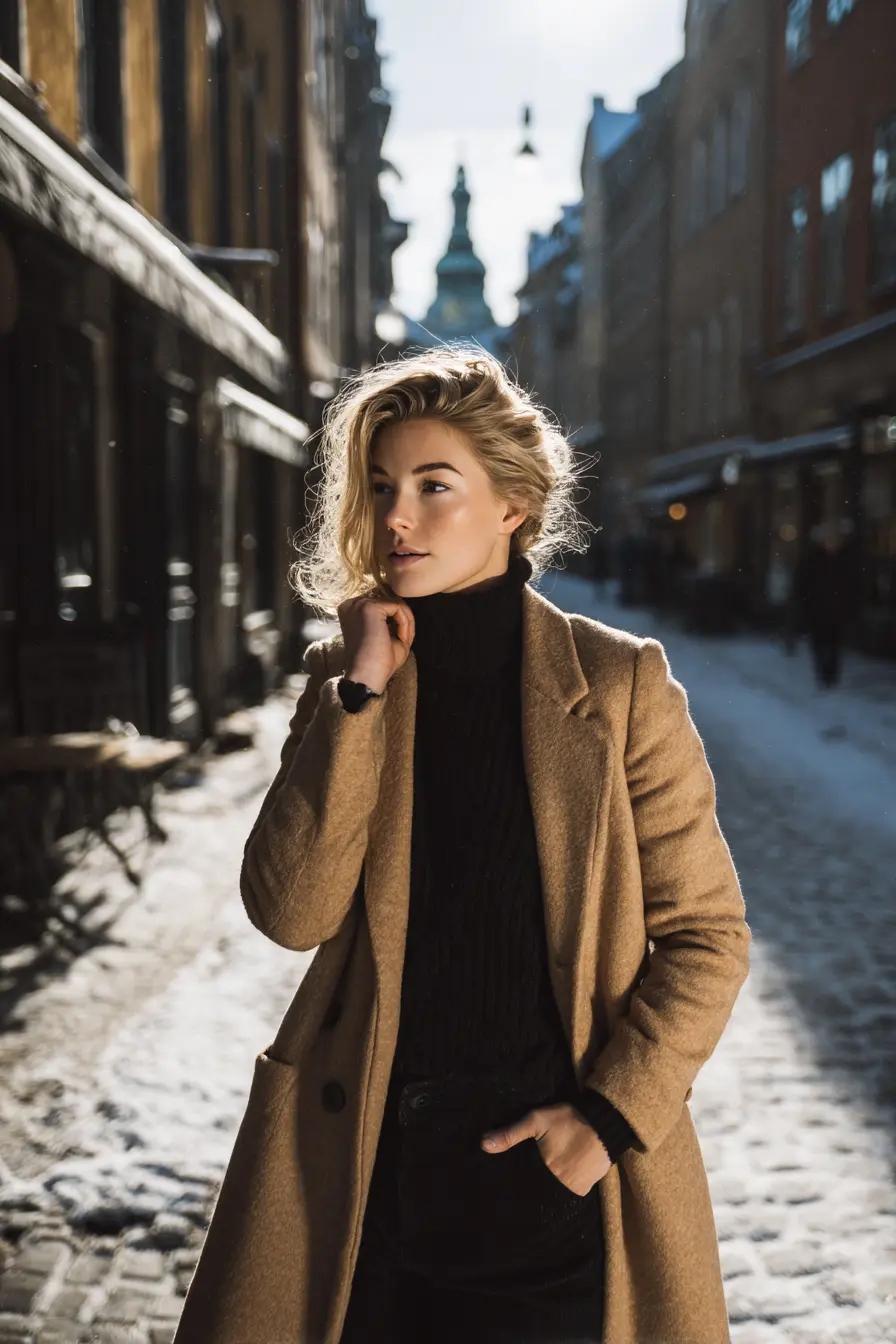
Your coat is doing 80% of the heavy lifting in a winter outfit — it’s the first and last thing people see. A classic wool or wool-blend coat in camel, black, or navy is the single highest-impact investment in your winter capsule wardrobe. The silhouette that works for the most women is mid-thigh to knee-length with a clean lapel — it layers over everything from jeans to dresses without losing proportion. Puffer jackets earn their place too, especially on the coldest days, but choose one with a streamlined cut.
Best for: Every cold-weather occasion, from commute to cocktail hour
The Mid Layer: Sweaters & Cardigans
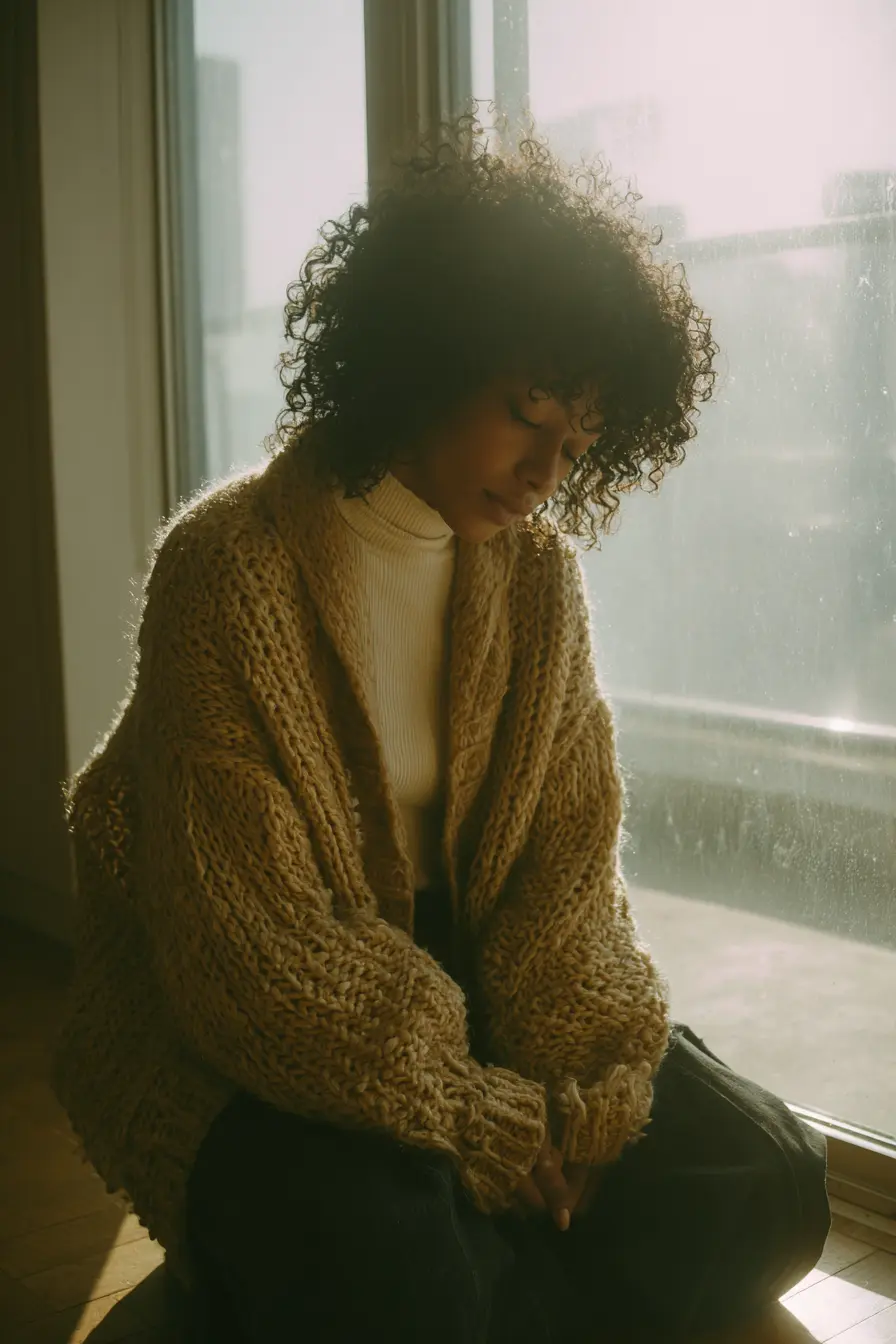
This is where warmth and style intersect most naturally. A chunky knit sweater, a fine merino turtleneck, and an oversized cardigan cover nearly every winter scenario between them. The key is keeping at least one of each weight: a heavy-knit for the coldest days, a medium-weight ribbed for layering under coats, and a thin base-layer knit for transitional temperatures. Honestly, if you’re building a winter capsule wardrobe from scratch, sweaters and cardigans are where I’d spend the most time and money — they’re what you’ll feel every time you put them on. For a deeper dive into this category, the guide to cozy-chic sweaters and cardigans covers everything from fit to layering techniques.
Best for: Daily wear, layering under coats, weekend looks, and working from home
The Base Layer: Warmth That Stays Invisible
Base layers are the most underrated winter wardrobe essentials. A well-fitting thermal or merino base layer under your outfit means you need fewer outer layers to stay warm — which keeps your silhouette cleaner. Merino wool is the best option: it’s naturally temperature-regulating, doesn’t itch, and doesn’t add visible bulk under fitted pieces. Avoid cheap synthetics here — they trap heat unevenly and often create visible texture under tighter tops.
Best for: Extreme cold, outdoor activities, or any day where you’ll be moving between heated indoors and cold outdoors constantly
Winter Boots: The Foundation of Every Outfit
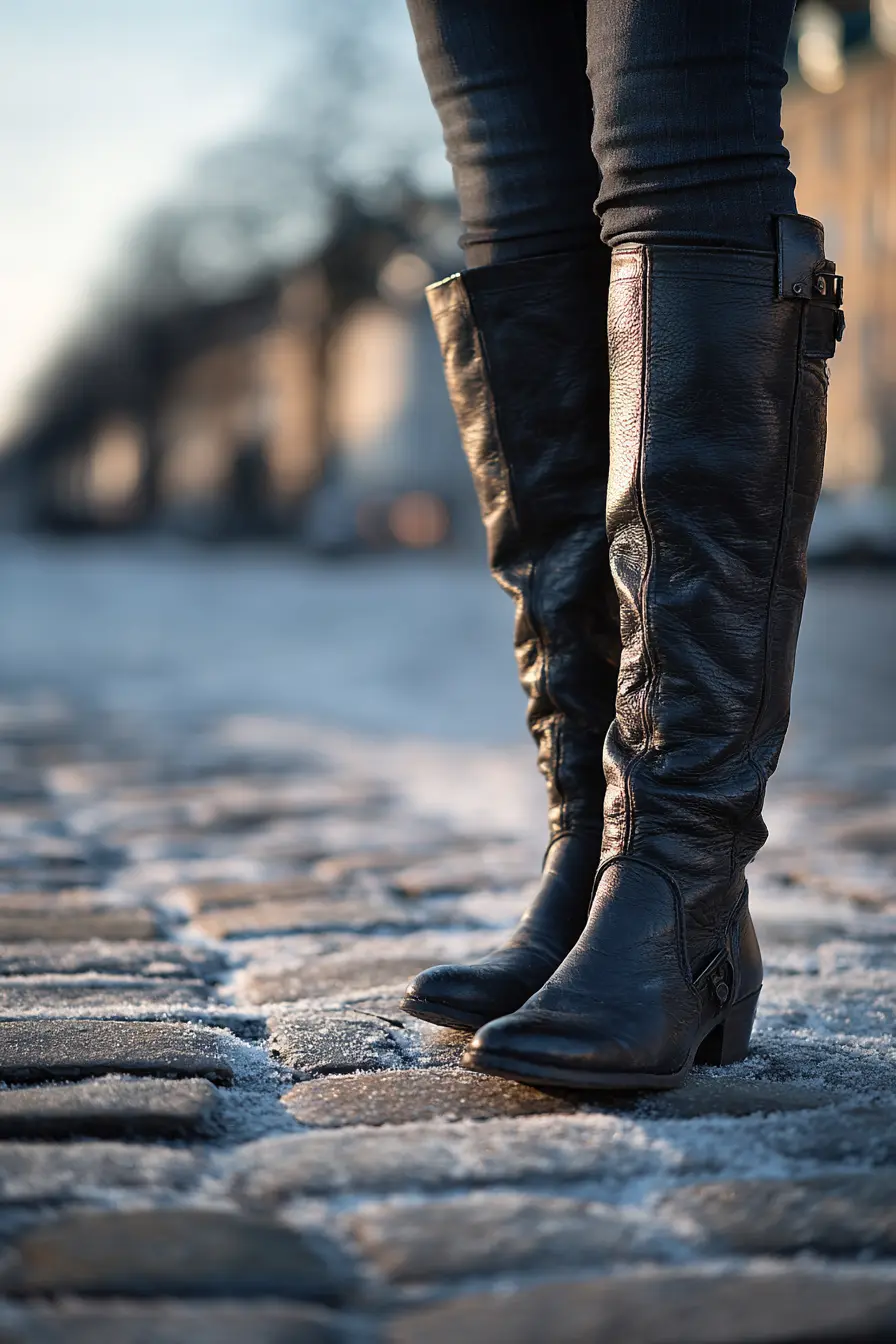
You can’t build a great winter outfit without the right footwear. The two pairs that cover the most ground: a classic ankle boot with a block or stacked heel (works with jeans, trousers, and skirts equally well), and a flat or low-heeled knee-high boot (dresses up instantly with dresses and midi skirts, but also works over slim jeans). If you add a third, make it a waterproof lug-sole boot for genuinely rough weather days.
Best for: Everyday winter dressing across all occasions
Winter Accessories: Scarves, Gloves & Beanies
Accessories aren’t just finishing touches in winter — they’re functional necessities that can also elevate an entire outfit. A large, soft scarf in camel, cream, or dark burgundy works with virtually every coat color and adds instant richness. Leather gloves or lined wool gloves signal polish far above their price point. And a fitted ribbed beanie in a neutral tone upgrades casual outfits in seconds. I’ll be honest — I used to skip gloves and just shove my hands in pockets, but once I added a good leather pair to my winter wardrobe basics, I never went back. It’s a small thing that makes a genuinely noticeable difference to how an outfit reads on the street.
I’ve learned that winter scarves sold as “fashion” accessories often look amazing but provide almost no actual warmth — which defeats the entire purpose on a January morning.
On Amazon I search specifically for scarves with listed dimensions over 70 inches long and a cashmere or lambswool blend — a generously sized scarf in a natural fiber does double duty as a wrap and a genuine cold-weather layer.
Building Your Winter Layering System
Layering is the most effective tool in your winter wardrobe — but there’s a difference between layering intentionally and just wearing a lot of things at once. A real layering system has logic: each layer serves a purpose, fits the one underneath it, and contributes to the overall silhouette rather than just adding bulk.
The 3-Layer Formula for Cold Weather
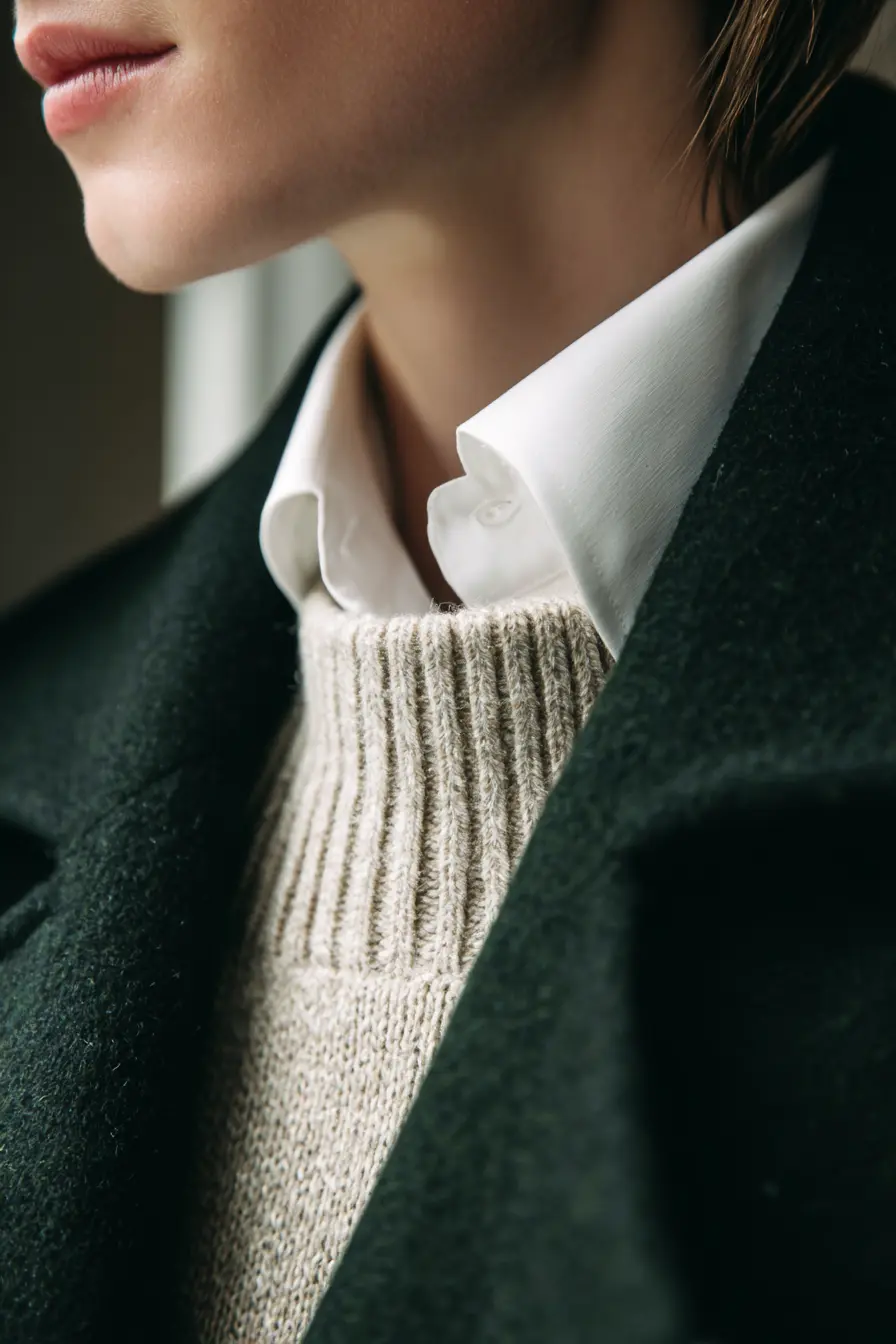
Think of winter dressing in three distinct roles: a base layer (warmth, invisible), a mid layer (style + additional warmth, visible), and an outer layer (protection + finishing the look). Each layer should fit slightly looser than the one beneath it — this creates air pockets that trap heat more effectively and prevents that stuffed-sausage feeling that comes from layering incorrectly sized pieces.

- Base layer rule: Should fit close to the body with zero excess fabric — if it bunches under your mid layer, go down a size
- Mid layer rule: Can be fitted or relaxed, but the collar and sleeve length should frame rather than overwhelm the base layer underneath
- Outer layer rule: Must close completely (ideally button or zip) and should skim over all underlayers without straining
- Color rule: The most cohesive winter layering looks keep 2–3 colors max across all visible layers
- Texture rule: Vary textures intentionally — smooth base, knit mid, structured outer — for a look that has depth without being busy
Common Winter Wardrobe Mistakes to Avoid

-
1
Buying a winter coat based on looks alone
Fix: Check the lining, the weight, and the fabric content before buying. A coat that looks good but doesn’t block wind or keep you warm will just stay in your closet. -
2
Ignoring base layers entirely
Fix: Even one good merino base layer changes your entire winter experience. It’s the foundation everything else builds on — don’t skip it. -
3
Wearing too many patterns at once in winter
Fix: Winter textures (cable knit, tweed, plaid, houndstooth) are strong enough to carry an outfit solo. Limit active patterns to one piece per outfit and keep the rest tonal. -
4
Choosing thin decorative scarves instead of warm ones
Fix: A wide, generously sized wool or cashmere scarf is both more stylish and infinitely more useful. It replaces a thin scarf, a wrap, and sometimes even a coat on mild days. -
5
Not having boots that work with multiple outfit types
Fix: Invest in a classic ankle boot that works with both jeans and dresses. One versatile pair will do more work in your winter wardrobe essentials rotation than three trend-driven pairs. -
6
Layering in the wrong order size-wise
Fix: Always go from fitted to relaxed as you add layers — base layer snug, mid layer slightly looser, outer layer roomiest. This creates trapped heat and avoids the “stuffed” look. -
7
Treating winter as a “comfort only” season
Fix: The most stylish winter outfits are also the warmest ones — good wool, good boots, and intentional layering let you be both. Comfort and style aren’t at odds in cold weather. -
8
Storing last year’s wardrobe without assessing it first
Fix: Before the season starts, pull everything out and check it. A pilling sweater or a boot with a worn sole isn’t going to serve you — better to know now than in January.
I spent two winters buying cheap winter gloves that fell apart by February every single time — always from the same synthetic-fabric trap.
Now I look specifically for listings that mention genuine leather palm or cashmere lining on Amazon — you can feel the difference in the product photos and the price jump is always worth it by week three.
FAQ: Winter Wardrobe Essentials
Final Thoughts + Your 3-Step Winter Formula

A great winter wardrobe isn’t about having the most pieces — it’s about having the right ones. When each essential in your closet works with every other one, getting dressed in the coldest months becomes something you actually look forward to instead of dread. The goal is a wardrobe that keeps you genuinely warm, looks effortlessly put-together, and doesn’t require constant decision-making.
If you’re rebuilding or refining your winter wardrobe basics this season, start with your coat and your boots — those two categories anchor everything else. Then add your layering knits, your base layers, and your accessories in order of how often you’ll reach for them. Build slowly, buy well, and resist the impulse to fill gaps with pieces that don’t quite work just because they’re on sale.
The pieces that make a real winter capsule wardrobe are the ones you reach for on the hardest mornings — when it’s dark, it’s cold, and you have zero patience for an outfit that doesn’t cooperate. That’s the test. Build for that morning. Everything else follows.
🧥 Your 3-Step Winter Wardrobe Formula
- Anchor with outerwear → Choose one great coat in a neutral tone that works with everything you own — this is the piece your whole season revolves around
- Build the layering stack → A merino base layer + a versatile mid-layer knit + that coat = a formula that handles 90% of cold-weather days with one outfit decision
- Finish with intentional accessories → A warm scarf, quality gloves, and one pair of boots that crosses casual and dressed-up occasions ties every outfit together without adding wardrobe clutter
I’m genuinely curious — which piece of your winter wardrobe gets the most use every season? Is it your coat, your go-to sweater, your boots? Drop a comment below and let me know — I love hearing which essentials are actually holding people’s wardrobes together when the temperature drops.