✨ This post was created with the support of AI tools and carefully edited by our team for accuracy, clarity, and readability. Learn more in our Editorial Policy.
📸 Images shown in this article are created by us using Midjourney and are curated and refined manually before publishing. We do not use scraped or unlicensed images.
🛍️ This post contains affiliate links. As an Amazon Associate, we earn from qualifying purchases — at no extra cost to you. We only recommend products we’d actually wear.
Cute Winter Outfits for Women: How to Stay Cozy & Stylish All Season
I used to dread getting dressed in January. Everything either looked frumpy or left me freezing before I even made it to the car. Then I stopped thinking about winter outfits as a compromise and started treating them as a real styling challenge — and honestly? Cold weather dressing became my favorite season. Here’s everything I’ve learned about building cute winter outfits that actually keep you warm.
Why Winter Outfits Are Actually the Most Fun to Style
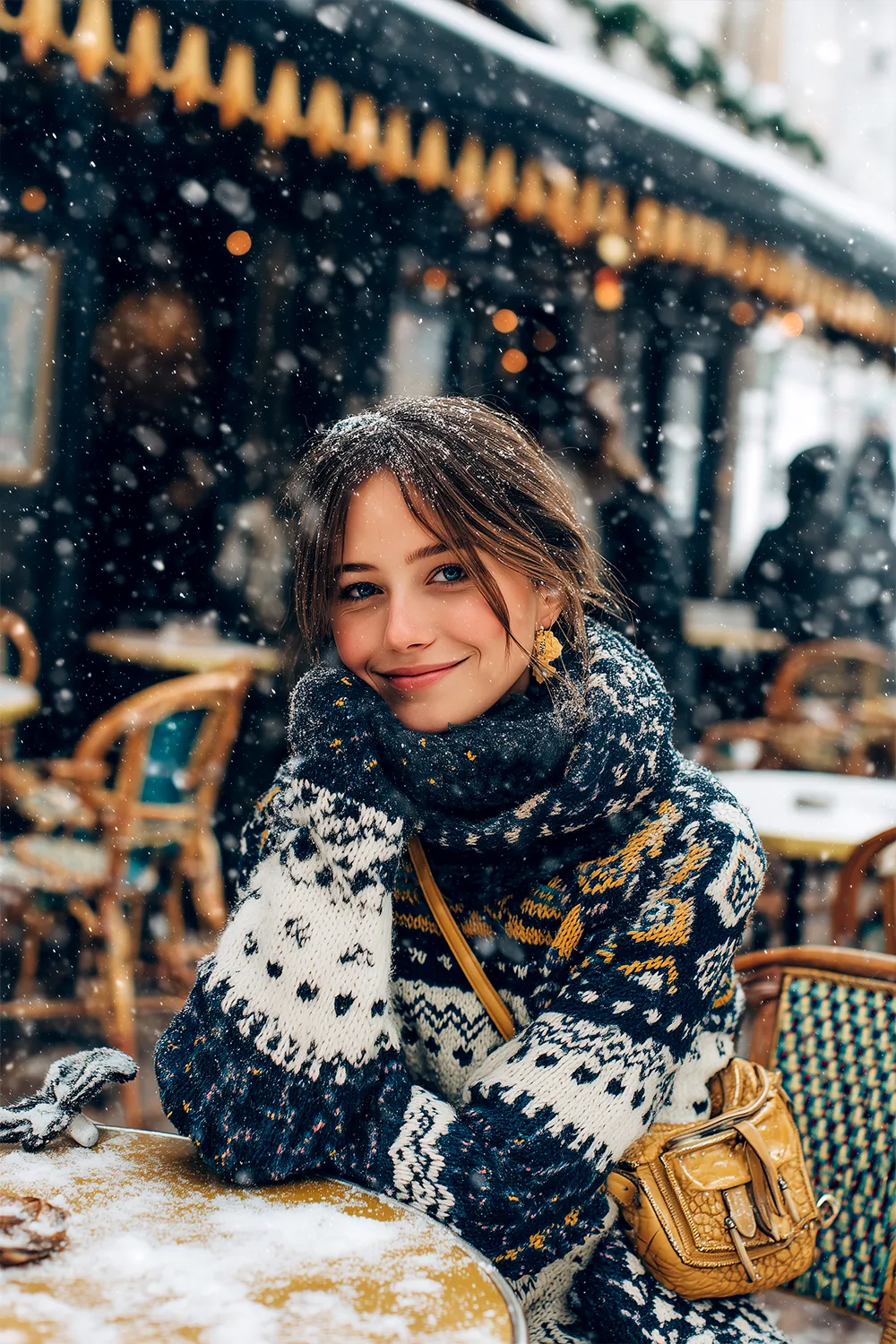
Most people assume summer is the easiest season to dress for — but I’d argue winter wins. You have so many more tools to work with: texture, layering, proportion, color contrast, and accessories that genuinely transform a look. A chunky knit layered under a structured coat hits differently than a plain tank top ever will.
The real shift happened when I stopped thinking about warmth and style as opposites. Because they’re not. A cashmere turtleneck is warmer than a thin polyester sweater and looks a hundred times better. A knee-length wool coat is warmer than a cropped puffer and infinitely more versatile. So the trick is choosing the right pieces — not choosing between comfort and aesthetics.
Winter also gives you the best canvas for building a winter capsule wardrobe that actually works together. When most of your closet lives in neutrals and deep tones, everything mixes. That’s a genuinely freeing way to get dressed in the morning.
What Makes a Winter Outfit Look “Put-Together” vs. Just Bundled Up
There’s a specific reason some women look polished in January while others just look cold. It usually comes down to three things: fit, proportion, and intentional layering. Bulky doesn’t have to mean shapeless — but you have to be deliberate about where volume lives in your outfit.
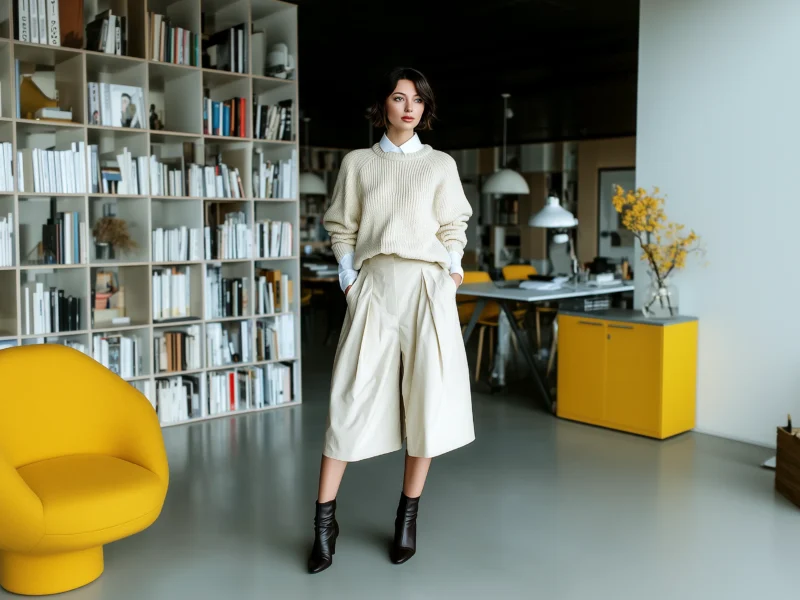
If the coat is oversized, the base layers should be slim. If the sweater is chunky, the pants should be tailored. And if you’re wearing multiple thick layers, at least one piece needs a clean, structured silhouette to anchor the whole look. That single rule will carry you through most winter dressing decisions.
How to Build Cute Winter Outfits That Look Expensive
The key to cold weather outfits that look high-end isn’t a bigger budget — it’s smarter choices. Fabric is everything in winter. Wool, cashmere, brushed cotton, and quality denim photograph beautifully and hold their shape across multiple wears. Synthetic fabrics tend to pill quickly and look flat, which reads as cheap even from a distance.

Color palette matters just as much. A monochromatic winter look — all cream, all charcoal, all chocolate brown — always photographs as expensive and intentional. Mixing too many colors or prints in one outfit at this time of year can easily look chaotic rather than layered.
✅ Your Cute Winter Outfit Checklist
- At least one structured or tailored piece (coat, blazer, or trousers)
- Fabric with visible texture — knit, tweed, wool, corduroy, or velvet
- A clear color story: 2–3 tones max that all work together
- One statement accessory: a scarf, hat, or structured bag
- Shoes that don’t contradict the outfit’s vibe (no flimsy sandals with a heavy coat)
- Proportional balance between oversized and fitted layers
✗ Avoid
- Piling on every layer at once with no silhouette
- Mixing too many chunky textures in one look
- Forgetting accessories — they finish a winter look
- Choosing warmth pieces that are the wrong proportion for your height
- Wearing thin socks with knee boots (comfort kills confidence)
✔️ Go For
- One oversized layer + one fitted layer in the same outfit
- Tonal dressing — same color family, different textures
- A scarf or beanie to add personality without adding bulk
- Ankle or knee boots with a mid-weight heel for versatility
- Quality basics: a ribbed turtleneck goes with literally everything
I’ve made the mistake of buying winter coats in synthetic blends that looked fine in the store but started pilling after three washes.
On Amazon, I always filter for wool or wool-blend in the material description — and I check the lining too, because an unlined coat in real winter temperatures is a hard no for me.
Cute Winter Outfit Ideas (10+ Looks)
These are the looks I actually reach for when I need to get dressed fast and still feel good. Each one is built around a reliable formula, so you can swap in what you already own and make it work for your wardrobe.
Everyday Casual to Cold-Weather Date Night
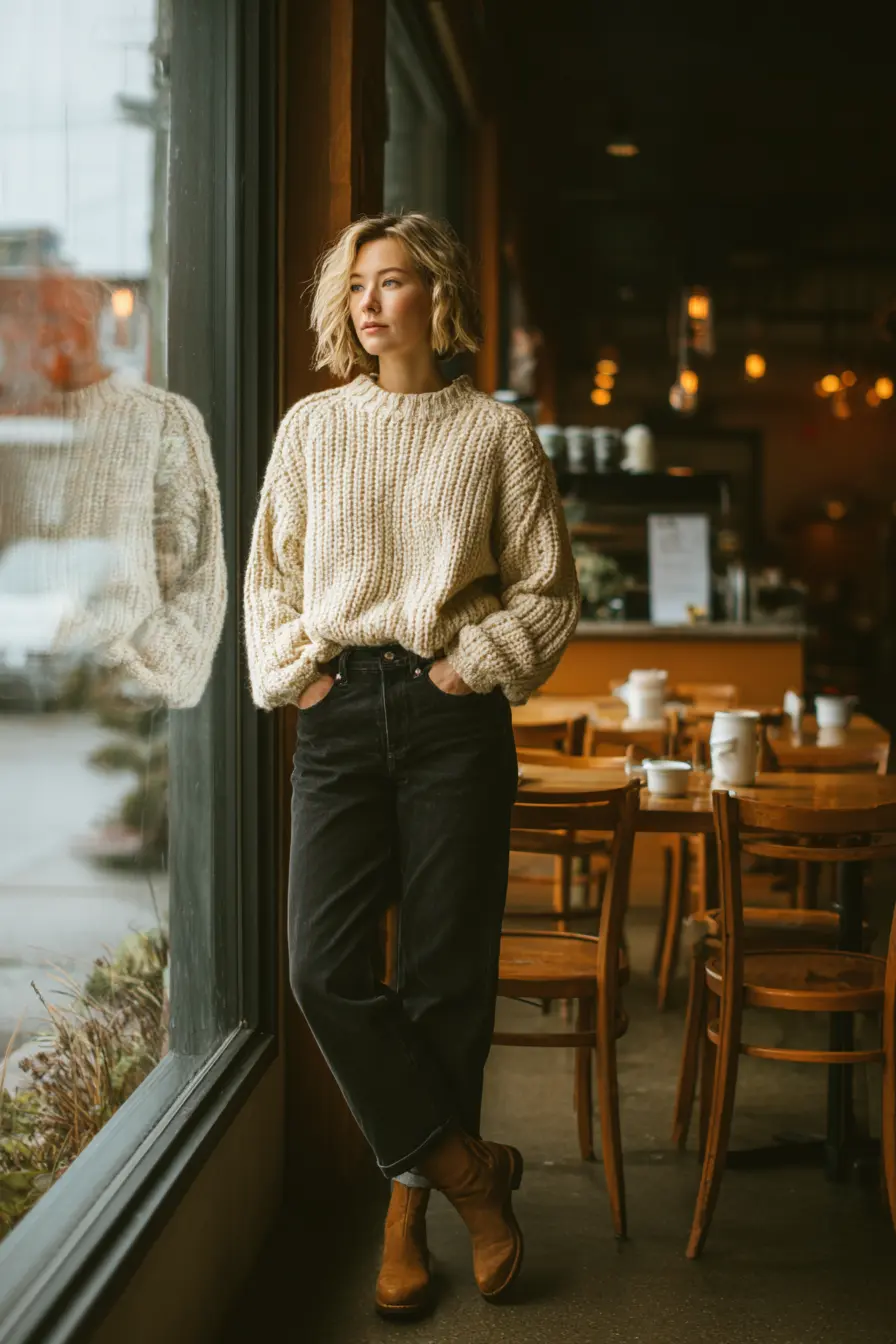
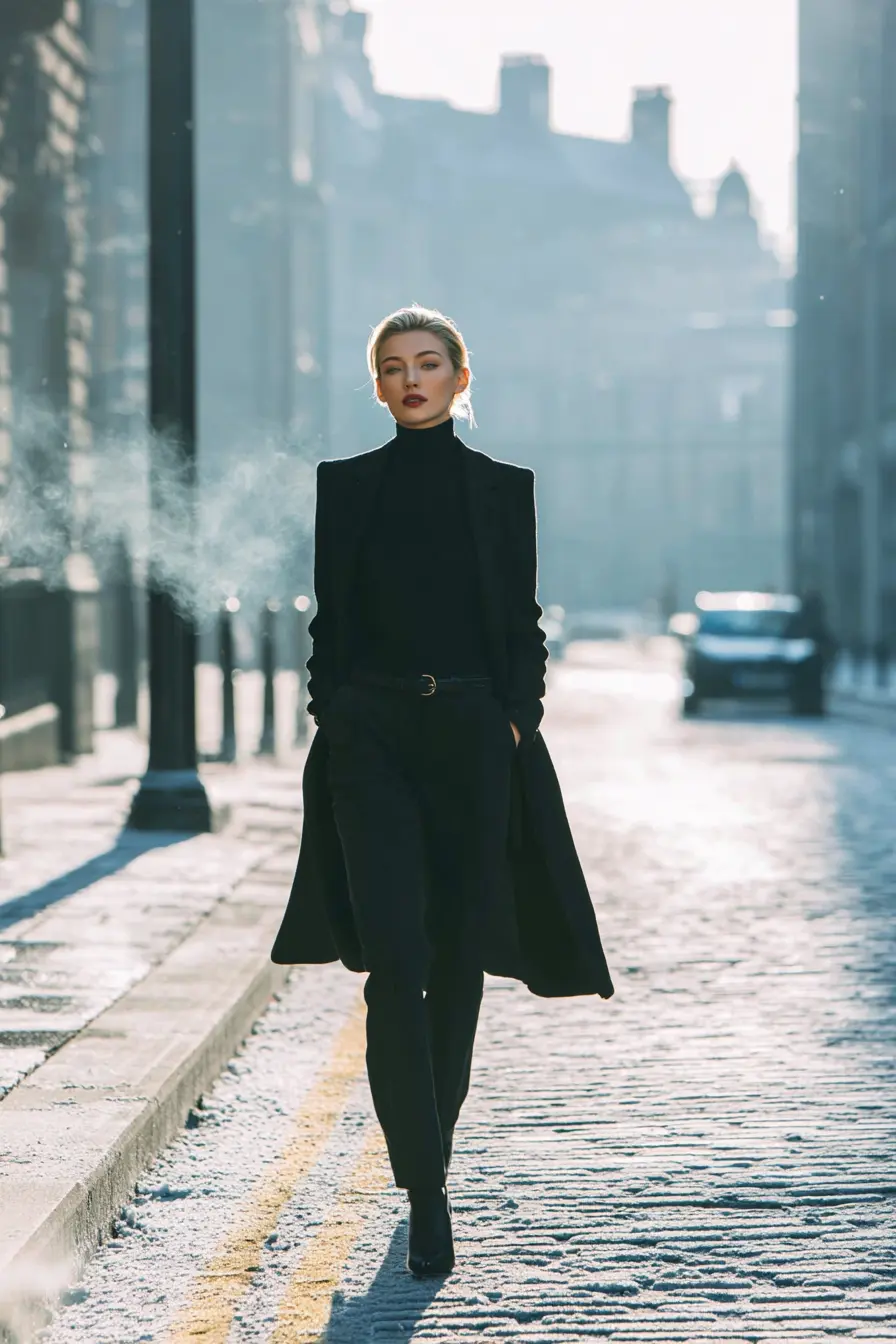
I’ve noticed that my most-reached-for winter outfits are almost always built around one great pair of boots rather than the coat or sweater I spent more money on.
On Amazon, I look for boots with a block or stacked heel, a side zip, and genuine or faux leather — those details signal quality from across a room and make every outfit look more intentional.
Types of Winter Outfits & How to Style Each
Not all winter outfits serve the same purpose — and understanding which type of look you’re building helps you make better decisions at every step. Here are the core categories, with a style card for each.
The Capsule Coat Look

Best for: Everyday wear, commuting, errands, and anything where you want to look polished without extra effort.
The Cozy Knit Stack
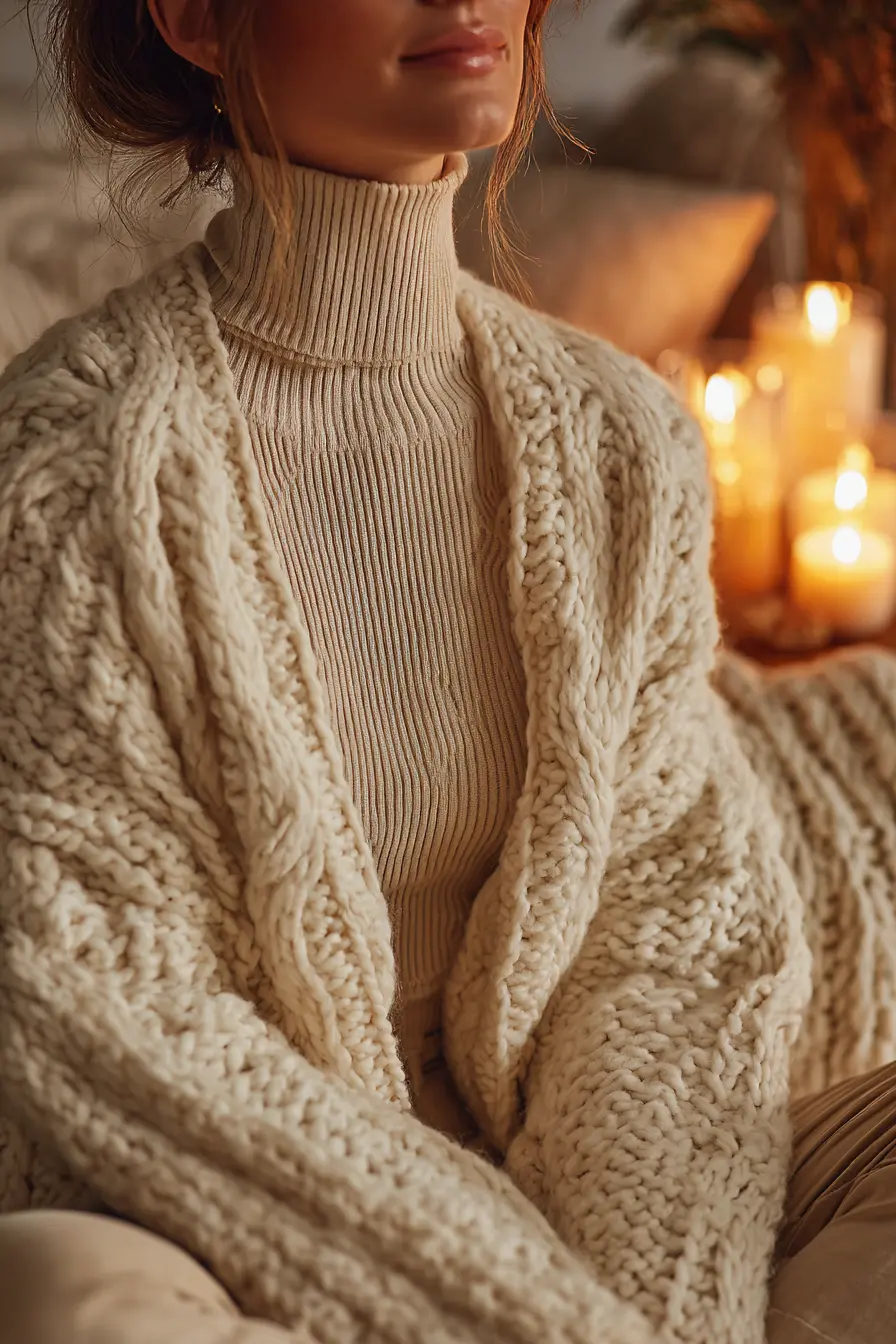
Best for: Weekends at home, casual brunches, coffee runs, and low-key cold days where you still want to look cute.
The Winter Workwear Look
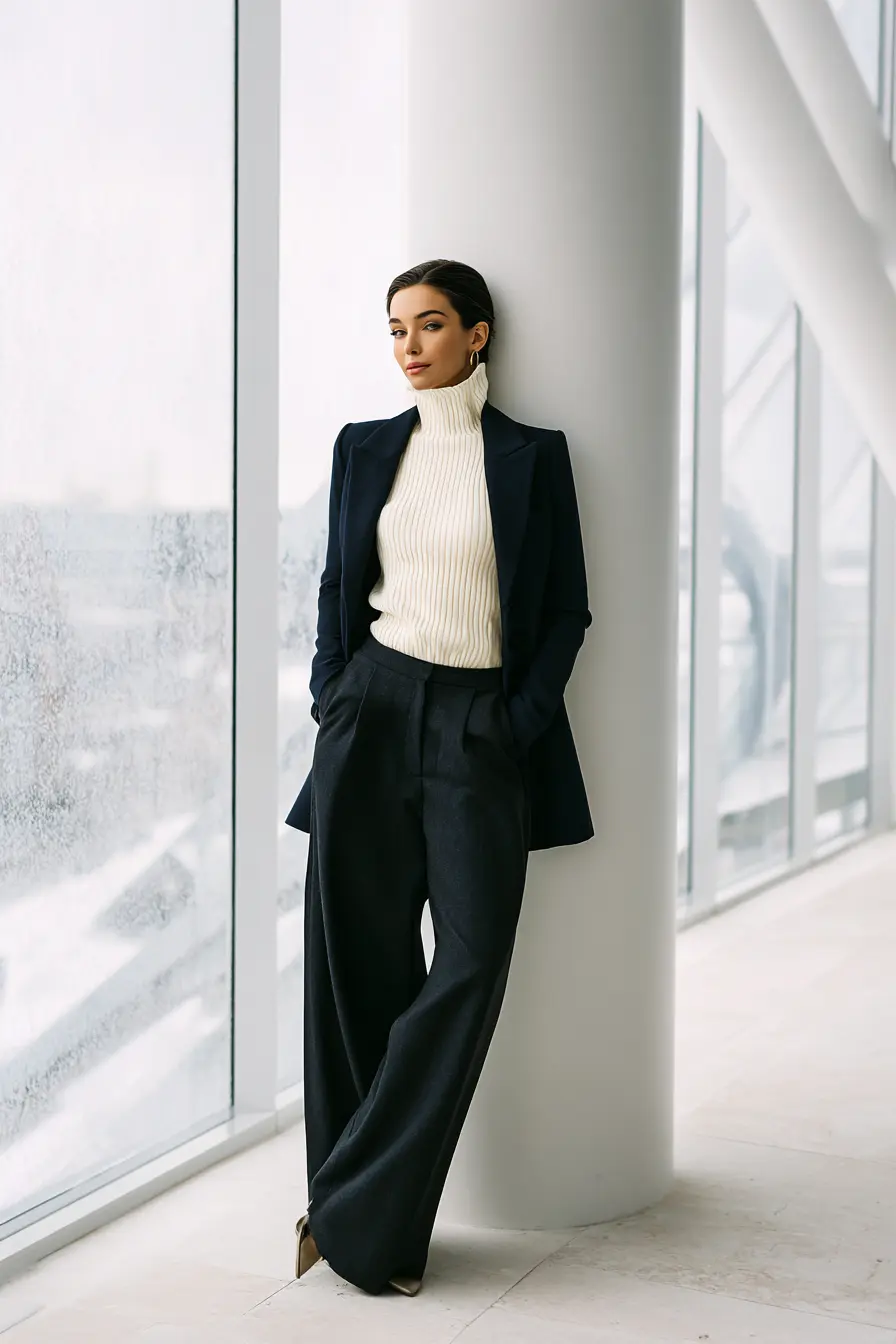
Best for: Office environments, work presentations, business casual meetings, and any setting where you need to look authoritative.
The Winter Travel Outfit

Best for: Airport days, long train rides, road trips, or any situation where you need to move fast and sit for hours.
I used to buy cute winter cardigans and sweaters without checking whether they were warm enough to stand in on a cold parking lot.
Now I filter Amazon for “thick knit” or “heavyweight” in the description and check the fabric weight listed in the details — anything under 400g/sqm tends to feel like a prop rather than actual winter knitwear.
Layering Winter Outfits: The Formula That Actually Works
Layering is the most misunderstood concept in cold weather dressing. Most people interpret it as “wear more things” — but effective layering is about purpose, not quantity. Each layer should do a specific job: base layers trap warmth, mid-layers insulate, and outer layers protect from wind and cold.
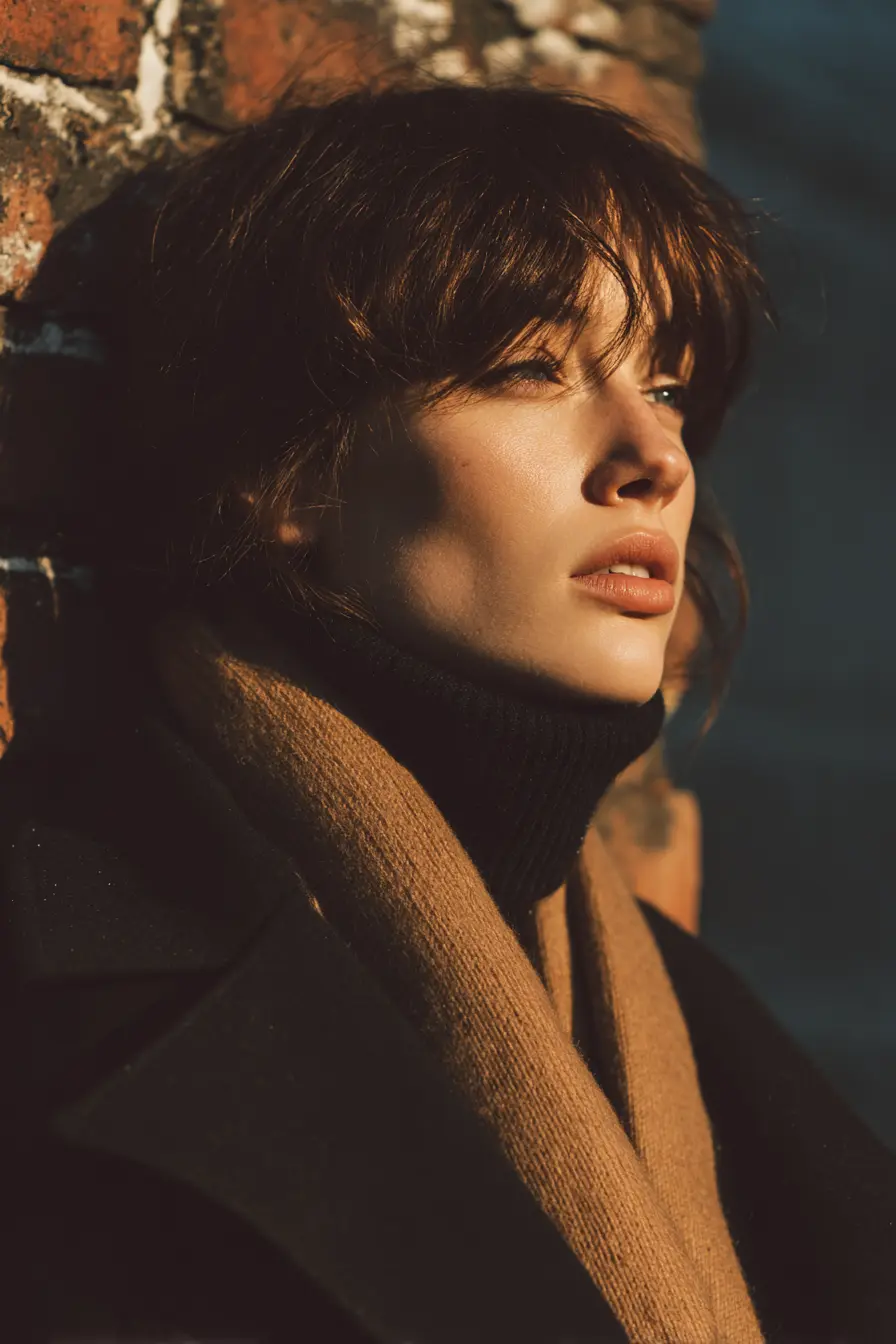
The Three-Layer System
The system that works for me every time is a fitted base (turtleneck or long-sleeve thermal), a mid-layer that adds warmth and visual interest (a knit sweater, cardigan, or blazer), and an outer layer that structures the whole look (a long coat or structured jacket). Each layer should be slightly looser than the one beneath it.
However, there’s an important exception: if your outer coat is very fitted, skip the chunky mid-layer and stick to a thin knit or sweater in a fine gauge. Because layering adds thickness, the silhouette has to account for all of it — a tight coat over a chunky sweater just looks uncomfortable, not stylish.
- Layer 1 (Base): Ribbed turtleneck, thermal long-sleeve, or fitted crewneck in thin knit
- Layer 2 (Mid): Oversized knit, blazer, longline cardigan, or shirt-jacket
- Layer 3 (Outer): Long wool coat, structured puffer, or leather/faux-leather jacket for mild days
- Accessories: Scarf, beanie, or beret — counted as a fourth functional layer for your head and neck
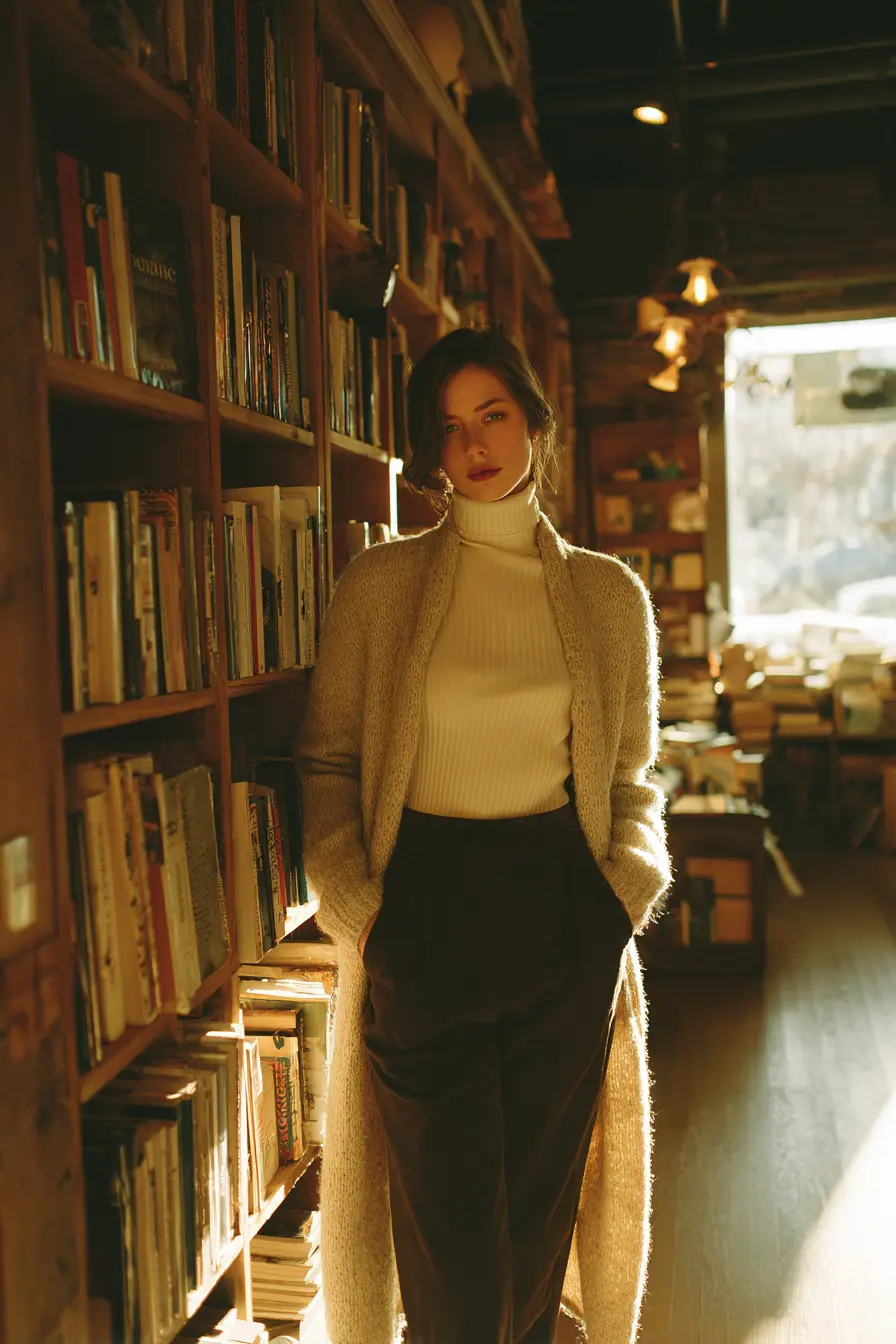
Winter Accessories That Make or Break a Look
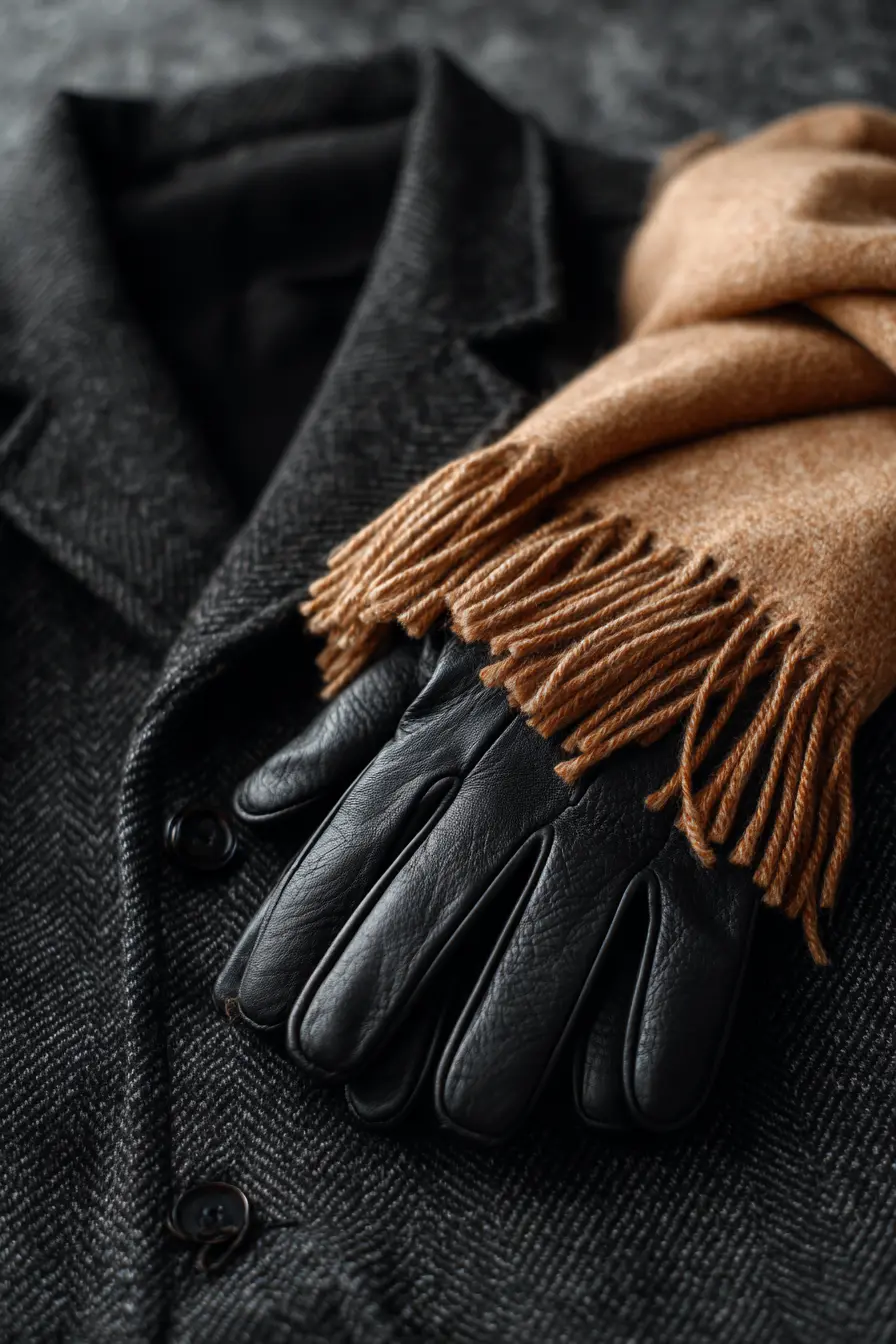
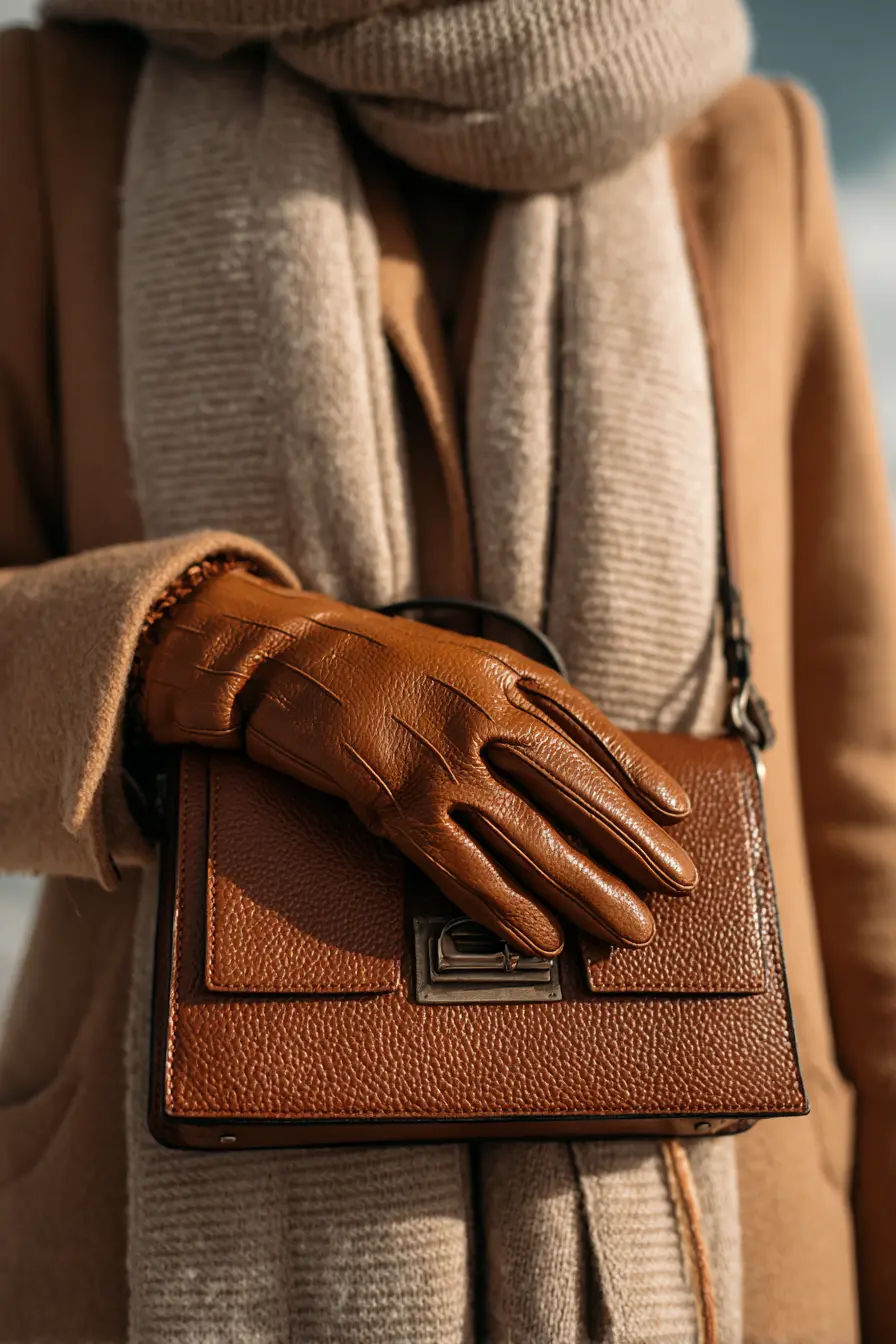
Accessories are where a cute winter outfit either comes together or falls apart. A scarf is not just warmth — it’s color, texture, and structure all in one piece. Choose a scarf that either matches your coat tone (for a monochromatic editorial look) or provides a deliberate contrast (a rust scarf with a grey coat is endlessly chic).
Beanies and berets both work, but they serve different aesthetics. A fitted ribbed beanie leans casual and cool. A beret reads instantly Parisian and feminine. If you’re unsure, the beanie is always the safer pick for everyday cold weather outfits. Gloves in leather or knit also elevate a look significantly — bare hands with a stunning coat always looks slightly unfinished.
Finally, don’t forget bag proportion. Bulky winter layers need a bag that holds its own — either structured and medium-sized, or a roomy tote. A micro-bag next to a heavy wool coat creates a proportion mismatch that’s hard to style around.
Common Winter Outfit Mistakes to Avoid
I’ll be honest — I made most of these mistakes for years before I figured out what was going wrong. Winter dressing has a specific set of pitfalls, and most of them are easy to fix once you know what to look for.
-
1
Layering thick pieces on top of thick pieces
Fix: Keep base layers thin — a fine-gauge turtleneck or thermal long-sleeve is all you need under a chunky sweater or coat. -
2
Wearing a coat that’s too short
Fix: In genuinely cold weather, a coat that hits at or below the knee protects your body significantly better and also looks more elegant. -
3
Ignoring shoe-to-outfit proportion
Fix: Heavy winter looks need shoes with some visual weight. Chunky boots or a block-heeled ankle boot anchors the outfit — thin ballet flats underneath a thick coat creates imbalance. -
4
Skipping accessories and calling it minimalist
Fix: A scarf or a beanie isn’t extra — in winter it’s finishing the look. Even one accessory makes a significant visual difference. -
5
Mixing too many prints in one cold-weather outfit
Fix: Winter textures — tweed, plaid, herringbone, cable knit — are visually strong. Limit patterns to one piece per look and build around it in solids. -
6
Buying coats purely for warmth without considering silhouette
Fix: A coat does most of the visual work in a winter outfit. Invest in one that has a clean silhouette — you’ll wear it over everything, so the shape matters enormously. -
7
Wearing thin socks with winter boots
Fix: This sounds minor but it affects your whole day. Thick wool or thermal socks inside your boots are the one invisible upgrade that makes cold-weather dressing genuinely comfortable. -
8
Defaulting to the same outfit every cold day
Fix: Build a small winter capsule with 3–4 key pieces that rotate. Even swapping the scarf or boots changes the entire look without requiring a new outfit from scratch. -
9
Choosing color randomly rather than building a palette
Fix: Pick a core winter palette of 3–4 tones (e.g., black, camel, cream, and forest green) and shop only within that range. Everything you own will then mix automatically.
I spent two winters in coats that photographed beautifully but had almost no lining — and I was cold every single time I wore them outdoors.
On Amazon, I now always check the lining description and look for “fully lined” or “fleece-lined interior” in the listing — that single detail is the difference between a coat that works and one that just looks like it does.
FAQ: Your Winter Style Questions Answered
These are the questions I get most often when people are building their winter wardrobes from scratch or trying to fix what’s not working.
Final Thoughts + Your 3-Step Winter Formula
The goal with cute winter outfits was never about looking like a fashion editor who somehow never gets cold. It’s about building a small, intentional wardrobe of pieces that genuinely work together — so that getting dressed in January feels easy rather than stressful.
You don’t need a huge closet for that. You need a reliable formula. And the one I keep coming back to is simpler than most style guides suggest: one anchor layer, one texture, one accessory. That’s genuinely it. The coat anchors the look, the texture (knit, tweed, ribbed) makes it feel complete, and the accessory finishes it. Everything else is variation.

If you’re also building toward a more structured closet, exploring a complete cold-weather wardrobe guide can help you see which pieces do the most work across different looks and occasions. And if you’re tracking the season’s biggest shifts in silhouette and fabric, the latest winter fashion trends are worth a look too.
🧥 Your 3-Step Winter Outfit Formula
- Anchor with structure → Choose one piece with a clear silhouette — a long coat, a tailored blazer, or a shaped midi skirt. This is the piece that makes the whole look intentional.
- Add texture and warmth → Layer in something with tactile interest — a chunky knit, a ribbed turtleneck, a velvet midi. This is where cozy and cute come together.
- Finish with one accessory → A scarf, a beanie, or structured gloves. One accessory completes a winter look; three or more start competing with each other.
I’ve found that the pieces I reach for most in winter are almost always the ones that work across at least three different looks — coat, sweater, boots in rotation.
When I shop Amazon for winter basics, I look for versatility signals in the listing: “works for office and weekend” or “pairs with jeans or trousers” — that kind of phrasing tells me the seller has actually thought about how real people wear the piece.
Which of these winter outfit formulas feels most like your personal style? I’m always curious whether people are reaching for the classic coat look or going all-in on the cozy knit stack — drop a comment and let me know what you’re actually wearing this season.