✨ This post was created with the support of AI tools and carefully edited by our team for accuracy, clarity, and readability. Learn more in our Editorial Policy.
📸 Images shown in this article are created by us using Midjourney and are curated and refined manually before publishing. We do not use scraped or unlicensed images.
🛍️ This post contains affiliate links. As an Amazon Associate, we earn from qualifying purchases — at no extra cost to you. We only recommend products we’d actually wear.
Business Casual Outfits for Women: Work-Ready & Effortlessly Chic
I used to stand in front of my closet every Monday morning completely blank — not because I had nothing to wear, but because I couldn’t figure out what actually counted as business casual. Too casual felt unprofessional. Too formal felt stiff. So I did what most of us do: I built a small, reliable formula. Now I get dressed in ten minutes and still walk in looking like I actually planned it. This guide is exactly that formula — for every season, every office vibe, and every style preference.

Why Business Casual Works for Every Office
Business casual is one of those dress codes that sounds clear until you actually have to follow it. It sits somewhere between a blazer-and-slacks corporate look and whatever you’d wear to brunch — and that middle ground is exactly where most modern offices live. So understanding what it actually means is step one.
The key idea is that business casual keeps you looking polished and professional without the rigidity of a full suit. You get to bring personality into your outfit, but structure and intention still show up. That’s also why it works across so many industries and environments — it’s adaptable by design.
The Dress Code Decoded
Business casual typically means tailored or fitted pieces that aren’t formal wear, but aren’t loungewear either. Think blouses over T-shirts, midi skirts over mini skirts, and loafers or block heels over sneakers. The fabrics matter too — linen, ponte, crepe, and structured cotton read more professional than jersey knit or denim.
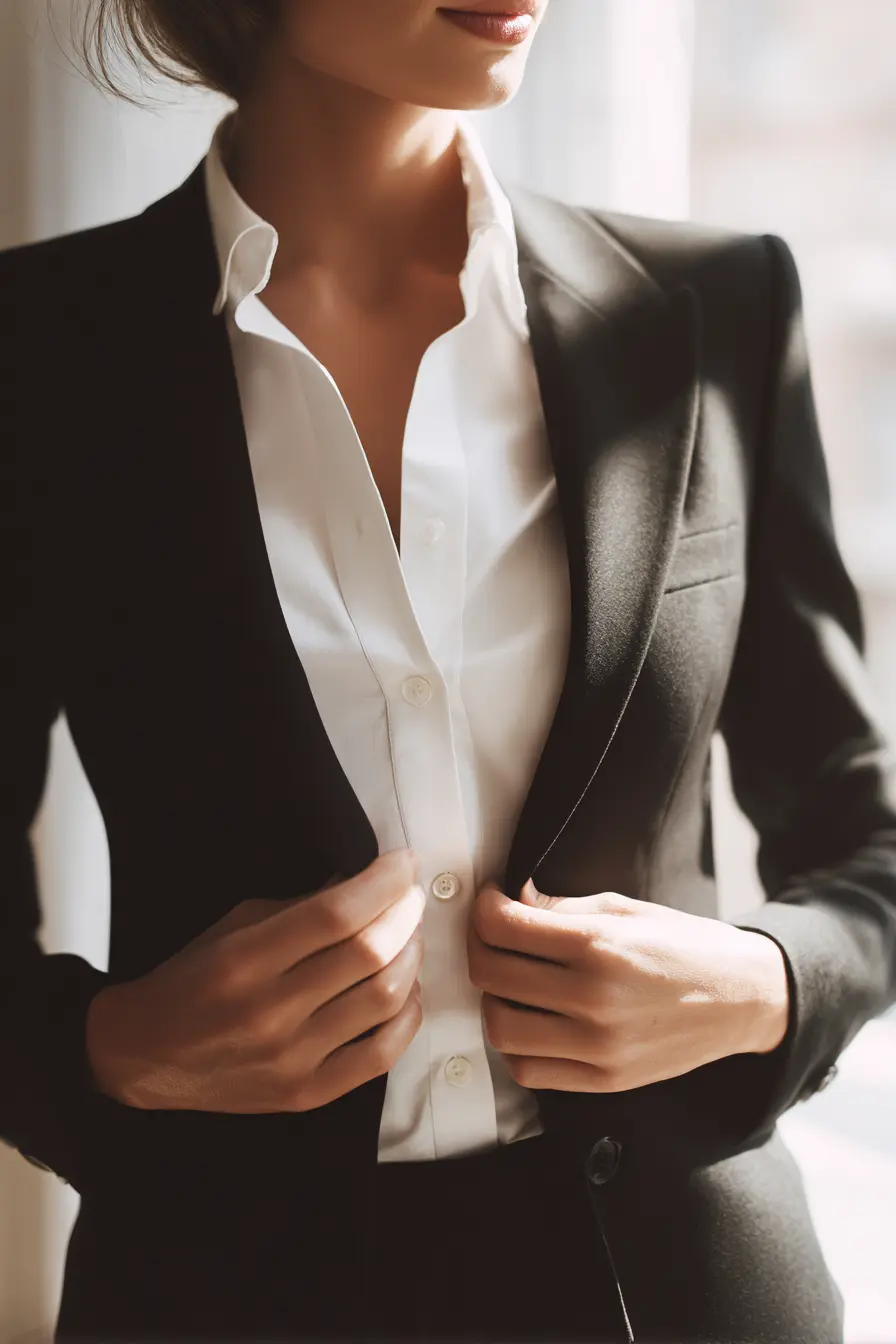
One useful test: if you’d wear it to a client meeting without thinking twice, it probably qualifies. If you’d hesitate, layer something polished on top — a blazer, a structured cardigan, or a sleek belt — and the whole look shifts instantly.
How to Build a Business Casual Capsule Wardrobe
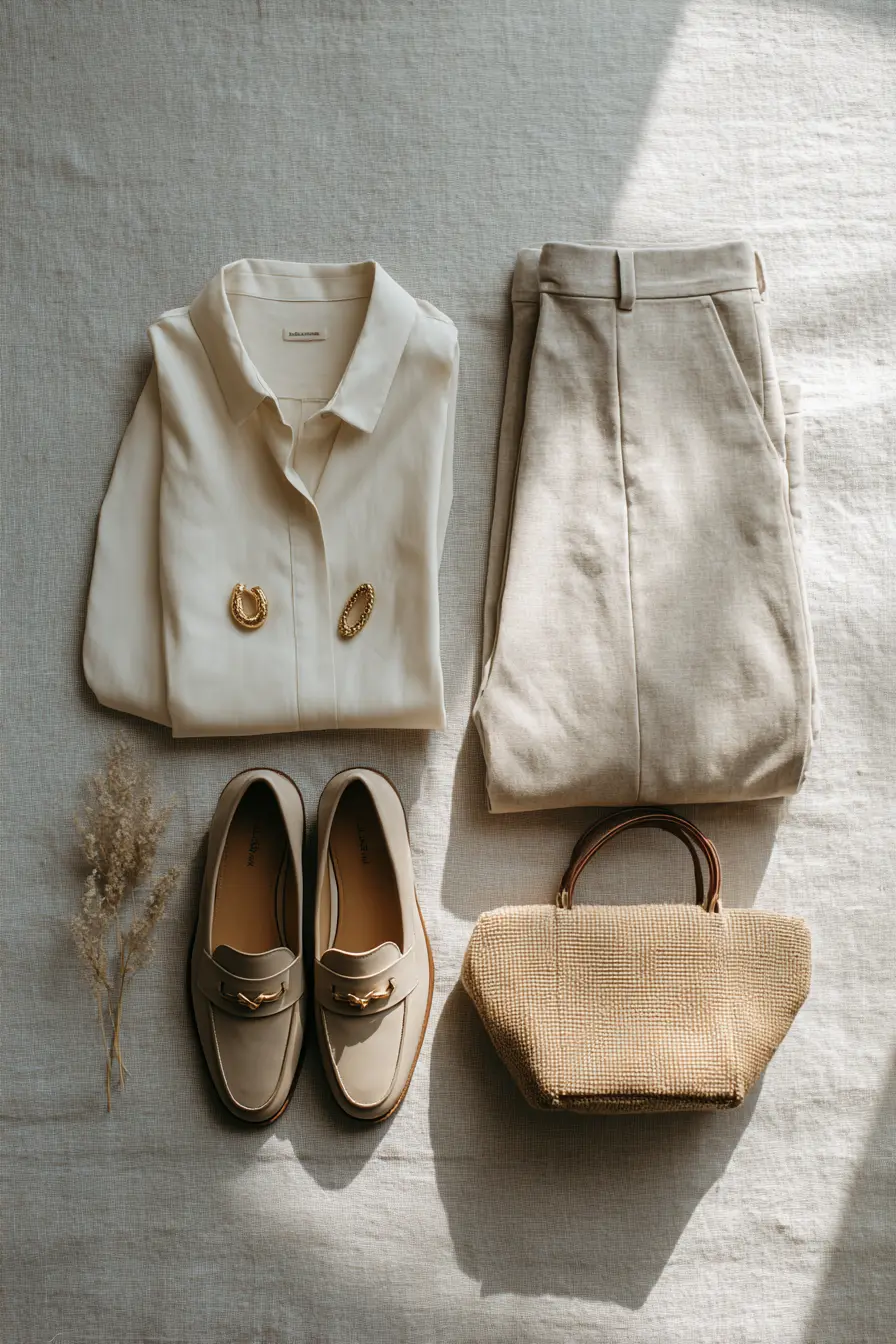
The most efficient approach to business casual is building a small capsule — a core group of pieces that mix and match easily, so you can create different outfits without buying more. I’ve worn the same ten items in twelve different combinations. Once you see the formula, it’s hard to unsee it.
The 10 Staples Every Woman Needs
✅ Business Casual Capsule Wardrobe Checklist
- A well-fitted blazer in a neutral — camel, navy, or black
- Tailored trousers in two colors (e.g., black + stone)
- A midi skirt — A-line or pencil, in a solid or subtle print
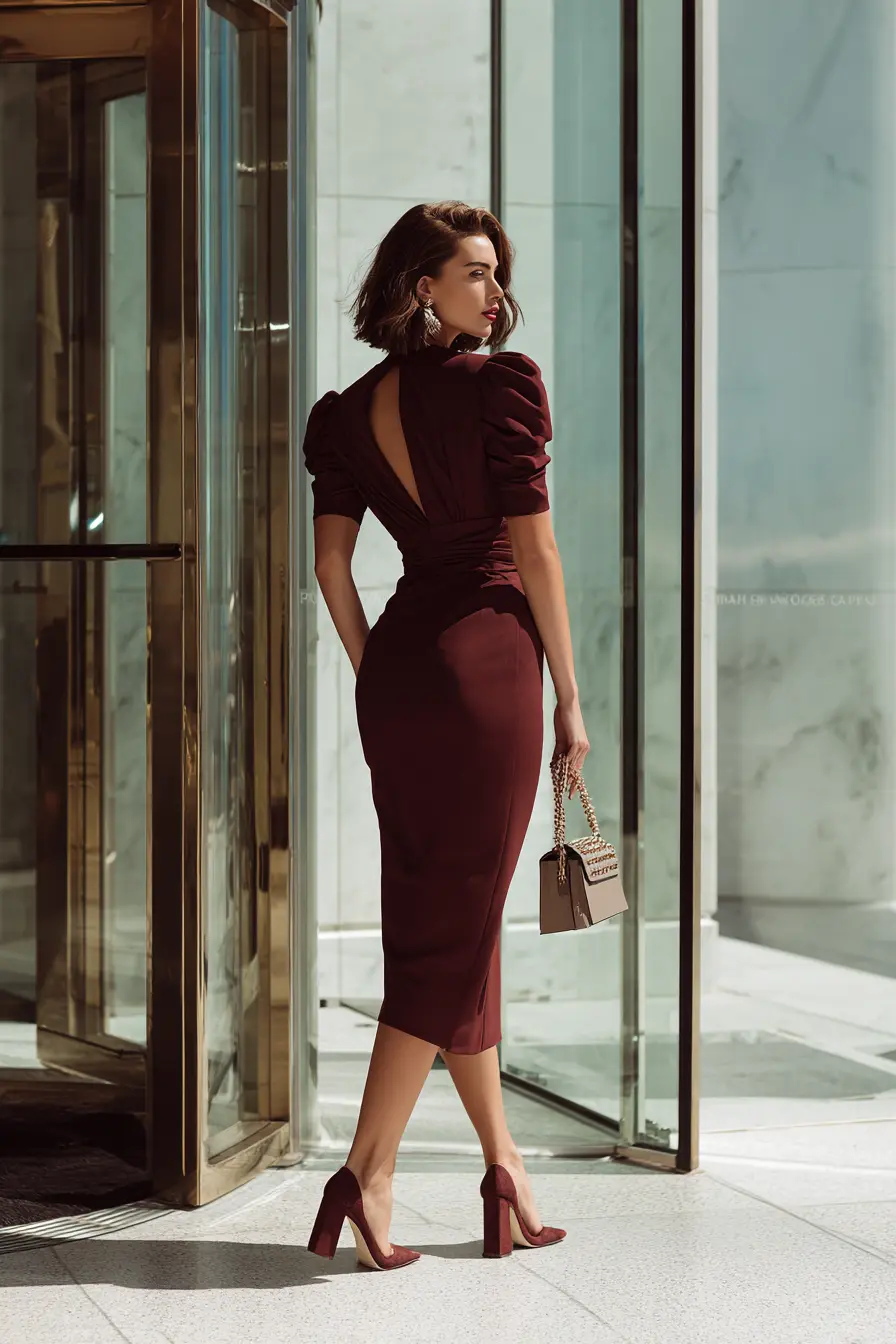
- A structured midi dress or wrap dress
- Two to three blouses — silk-look, poplin, or woven knit
- A fitted ribbed turtleneck or mock-neck sweater
- A pair of clean loafers or block heels
- A pointed-toe flat or kitten heel
- A structured tote or shoulder bag
- A fitted cardigan in a neutral that layers over everything
✗ Avoid
- Graphic tees or anything with large logos
- Ripped, distressed, or overly casual denim
- Overly short hemlines (above mid-thigh)
- Athletic fabrics or athleisure silhouettes
- Very sheer tops without a proper layer underneath
✔️ Go For
- Structured fabrics — ponte, crepe, linen, cotton twill
- Midi lengths for skirts and dresses
- Clean, polished footwear — loafers, block heels, kitten heels
- Subtle prints — fine stripes, small florals, tonal checks
- Fitted but not tight silhouettes with room to move
When you shop for your capsule, prioritize fit over trend. A well-tailored blazer from last season looks sharper than a trendy top that doesn’t sit quite right. Also, look for versatile neutrals first — they give you the most combinations per item, and that’s where the real value is.
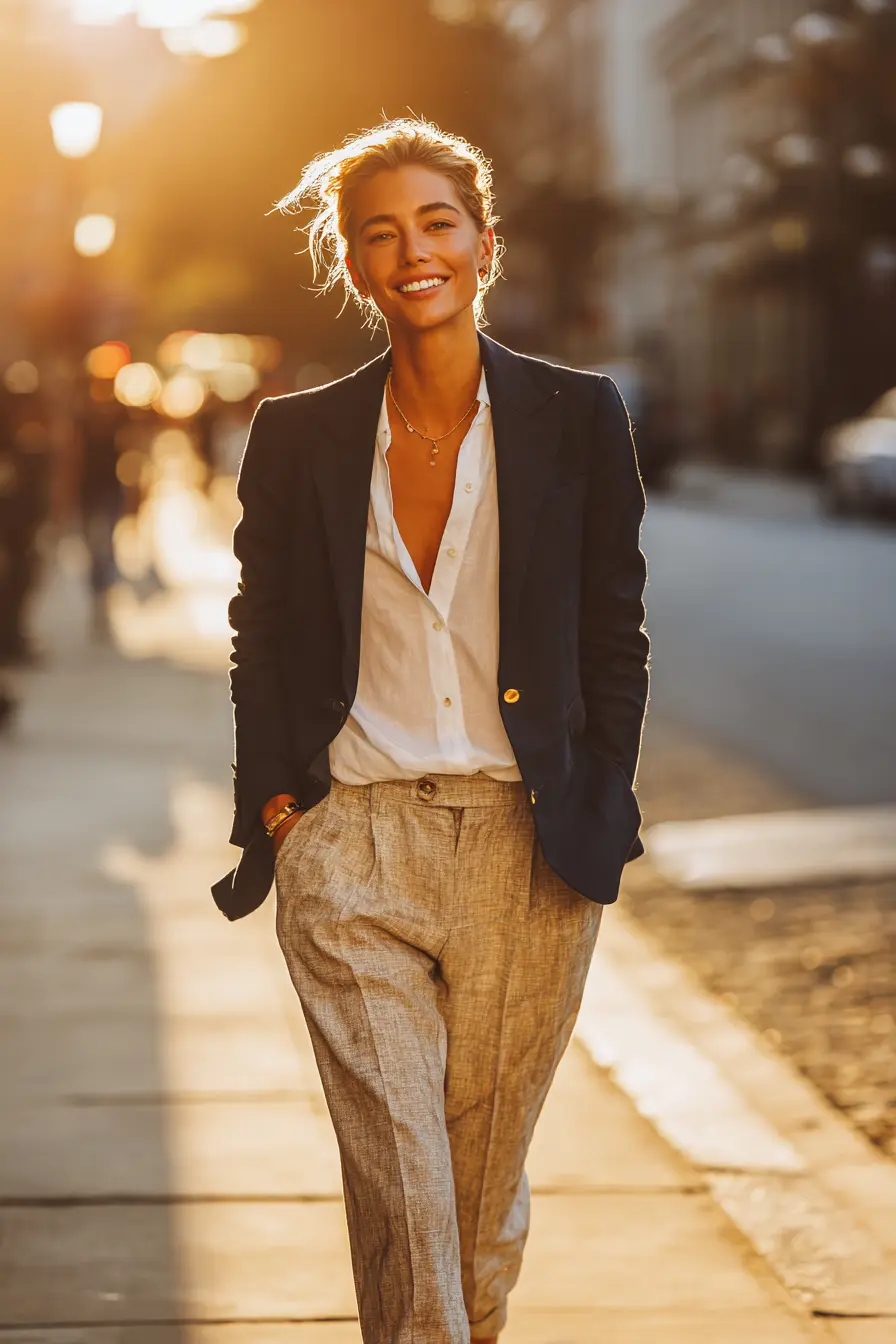
I’ve tried blouses that looked polished in photos but felt stiff and scratchy by 11am — and I’ve learned that fabric feel matters just as much as fit when you’re wearing something all day.
On Amazon I filter specifically for crepe or woven descriptions in blouse listings — those two fabrics consistently drape well and don’t wrinkle badly by lunchtime.
Business Casual Outfit Ideas for Women
Having the right pieces is only half the equation. Knowing how to put them together for different occasions — a regular Tuesday, a client meeting, a team lunch — is where a good capsule really earns its place. Below are outfit formulas that actually work in a real office setting.
Everyday Office Looks
Meeting, Lunch & Special Occasion Looks

I’ve gone through phases of buying cheap blazers that looked fine on a hanger but immediately lost their shape after the second wear — and I’ve noticed that lining is usually the difference.
When I shop for blazers on Amazon, I specifically look for listings that mention a full or half lining — it’s the detail that keeps the structure intact and makes the blazer look polished rather than costume-y.
Business Casual by Season
One of the underrated challenges of a work wardrobe is making it feel fresh across all four seasons while keeping the same professional standard. The good news is that the formula barely changes — you’re mostly swapping fabrics and layering pieces in and out.
Summer Business Casual
Best for: Warm office environments, commutes in the heat, hybrid work days
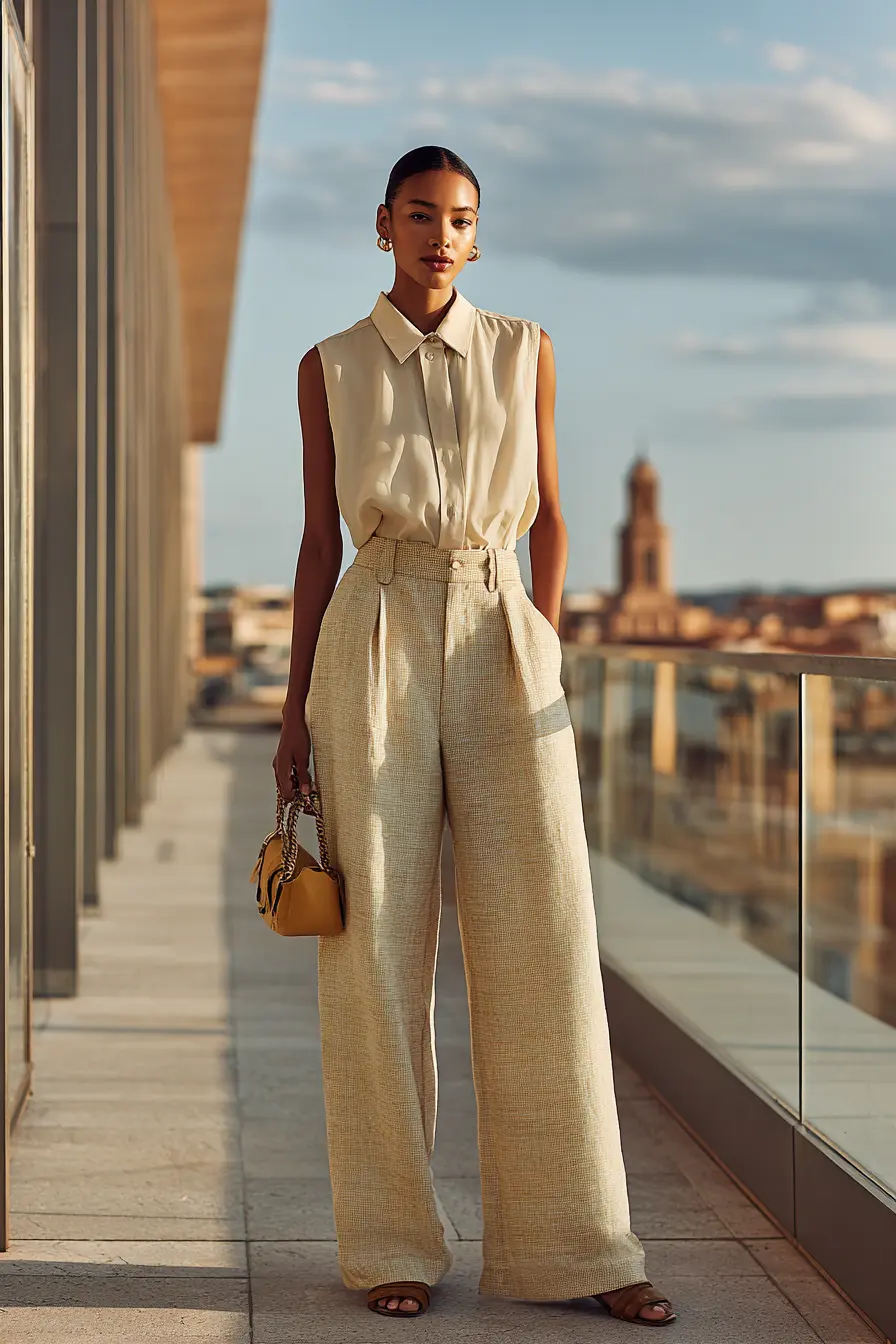
Summer business casual is about finding fabrics that breathe well without looking too casual. Linen trousers in sand or white, a sleeveless silk-look blouse, and clean leather slides or mules hit the right balance. If you’re commuting in heat, carry your blazer rather than wearing it — it’s much easier to put on before you arrive.
Fall Business Casual
Best for: Transitional weather, layering season, richer color palettes
Fall is actually the best season for business casual because the layering options are genuinely flattering and functional. Ankle boots elevate almost any work outfit, and the richer color palette — rust, forest green, camel, burgundy — gives you more to work with. For more cozy-but-polished fall looks, the roundup of fall workwear and office outfits has plenty of inspiration.

Winter Business Casual
Best for: Cold commutes, layered indoor/outdoor dressing, keeping warm without sacrificing polish
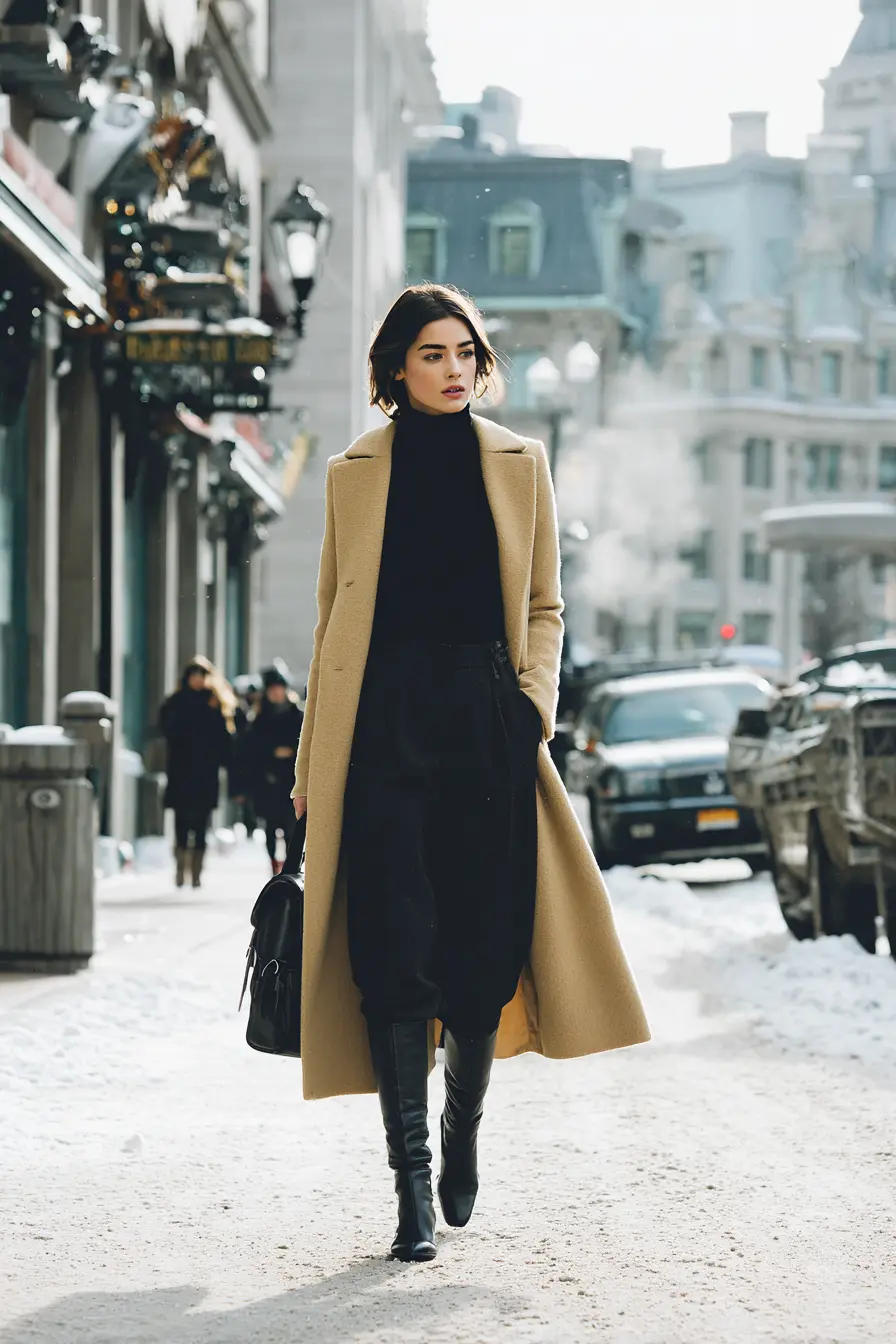
Winter business casual needs an extra layer of planning because you’re dressing for two environments — outside in the cold and inside in a heated office. The most practical approach is building outfits that work without the outer layer, and then choosing a coat that adds to the look rather than hiding it. A long camel or charcoal coat over tailored trousers is one of the strongest combinations in this season. For a deeper dive, the guide on office winter outfits for women covers all the bases.
Spring Business Casual
Best for: Transitional dressing, lighter layering, adding soft color back into your wardrobe
Spring business casual is the most forgiving season because the temperatures are mild enough that you’re not fighting with layers. A fitted cardigan in a soft neutral over a midi dress, or a light blouse tucked into a flowing midi skirt, are both easy go-to combinations that feel light but still polished. Also, spring is a good moment to look at the fall wardrobe essentials guide if you’re planning ahead — many of those pieces carry forward to spring styling too.
I noticed a long time ago that my winter-to-spring wardrobe transition always fell flat because I was trying to wear the same pieces rather than actually adapting the approach.
On Amazon I now look for lightweight ponte or soft crepe trousers specifically for spring — they’re structured enough for work but don’t feel as heavy as the wool-blend versions I wear in winter, so the switch feels intentional rather than just forced.
Business Casual by Work Setting
The same dress code can mean completely different things depending on where you work. A corporate law office and a design agency both call it business casual — but what you’d wear to one might feel off at the other. Here’s how to read the room without guessing.
Corporate Office
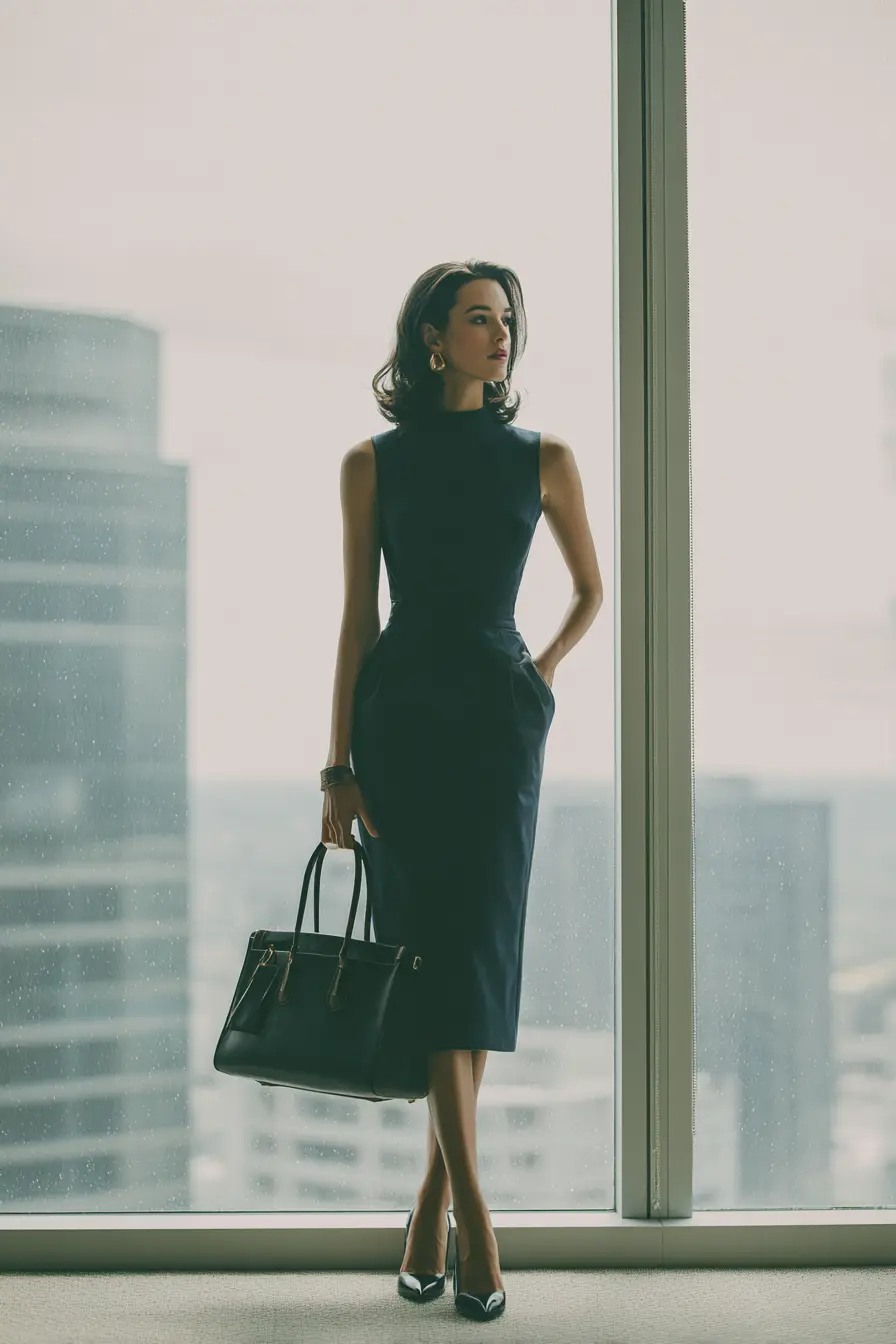
In a traditional corporate environment, business casual leans toward the formal end of the spectrum. Tailored trousers, midi skirts, structured blazers, and polished footwear are all safe and expected. Stick to clean lines, minimal prints, and classic neutral colors.
- Blazer over a silk blouse and slim trousers — the most reliable corporate combination
- A sheath dress in navy, black, or dark grey reads consistently appropriate
- Pointed-toe flats or low block heels over sneakers or casual mules
- A structured leather bag over a canvas tote
Tech or Creative Office
In a tech or creative environment, business casual is interpreted more loosely. Clean dark-wash jeans or wide-leg trousers, minimal sneakers, and interesting layering are all acceptable — and often preferred over a very stiff or formal look. The key difference is that you’re still dressing intentionally, just with more room for personality.
- Clean dark-wash straight-leg jeans plus a blazer — the most flexible creative-office formula
- Interesting textures or prints are more welcome here than in traditional corporate settings
- Low sneakers in a clean colorway can replace loafers or heels
- A structured bag still signals professionalism even when the rest of the outfit is more relaxed

Education or Healthcare
For educators, nurses in administrative roles, and healthcare professionals outside clinical settings, business casual means comfortable but pulled together. The emphasis shifts toward ease of movement, durability, and practical footwear — but polish still matters.
- Ponte trousers or knit-blend pants are comfortable for long days on your feet
- Flats or cushioned block heels over stilettos — you’re likely on your feet for hours
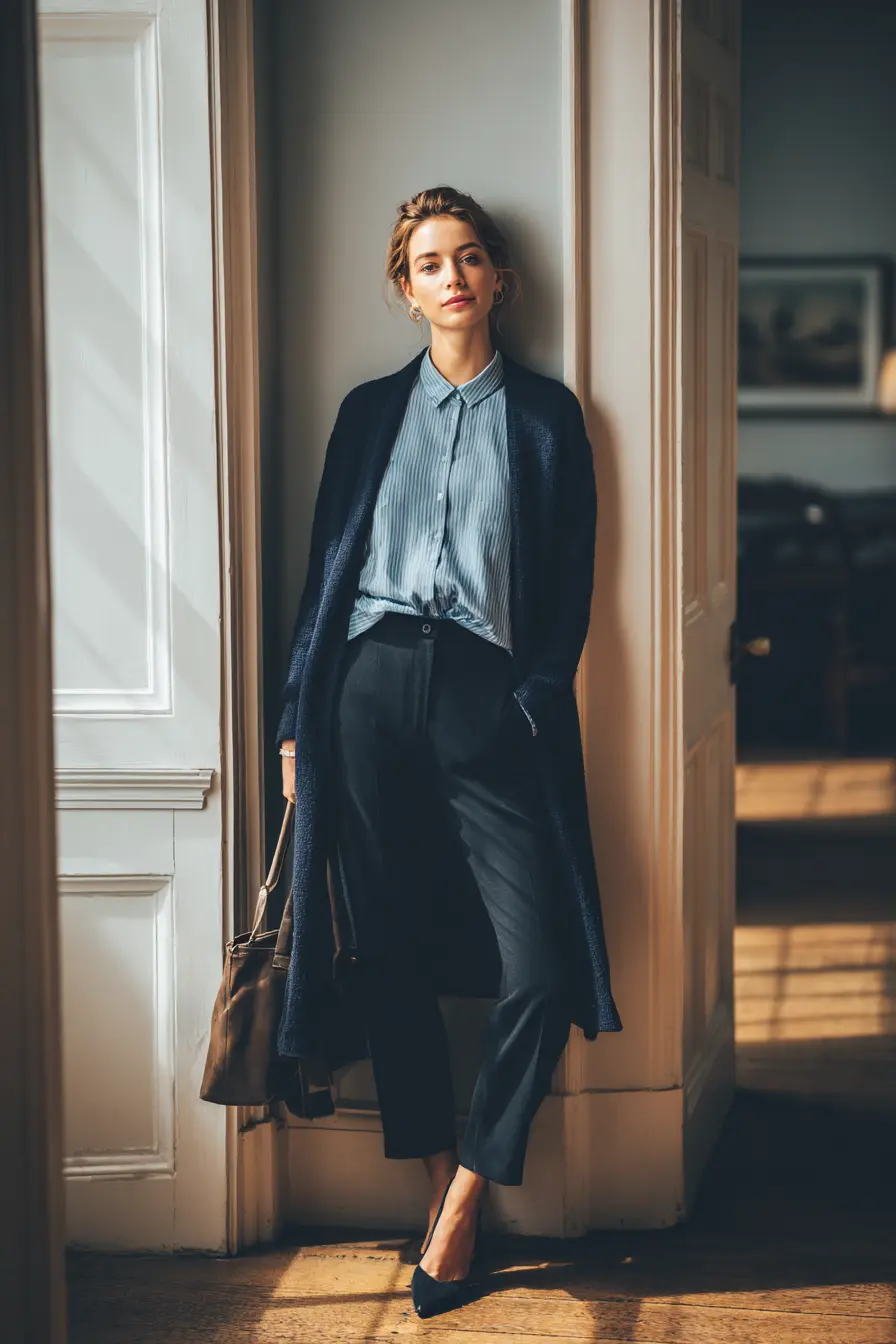
- Layered cardigans offer warmth and flexibility without sacrificing a tidy appearance
- Dark, solid colors minimize visible wear over a full day
Common Business Casual Styling Mistakes
What to Watch Out For
I’ll be honest — I’ve made nearly every mistake on this list at some point. The good news is that most of them are easy fixes once you know what to look for.
-
1
Wearing clothes that are too tight or too loose
Fix: Business casual works best with fitted but not tight silhouettes. If a blazer pulls at the shoulders or trousers gap at the waist, the whole look reads as unpolished no matter how good the pieces are individually. Always check fit before buying. -
2
Ignoring the shoes
Fix: The same outfit reads very differently in sneakers versus loafers versus heels. Shoes are the fastest way to either elevate or undercut a business casual look, so choose them as deliberately as you choose the rest of the outfit. -
3
Relying on one formula and never varying it
Fix: A capsule wardrobe is designed to create variety. If you’re wearing the same blazer-and-trouser combo every day, your wardrobe isn’t working as hard as it could. Build in at least one alternative formula — a dress day, a skirt day — to keep the wardrobe feeling fresh. -
4
Too casual on fabric choices
Fix: Jersey knit and casual cotton are comfortable but often read too casual for business settings. Instead, choose ponte, crepe, woven cotton, or linen. Those fabrics drape and hold their shape in ways that elevate the entire outfit. -
5
Neglecting the bag
Fix: A structured bag — leather or faux leather in a neutral — completes a business casual look in a way a canvas tote or backpack simply can’t. You don’t need an expensive option, but you do need something that looks intentional and polished. -
6
Overdoing prints in a conservative environment
Fix: In traditional corporate or client-facing roles, keep prints subtle — fine stripes, small florals, or tonal patterns. Save bold prints for creative environments where they’re more welcome and expected. -
7
Skipping the layer when the office is cold
Fix: Most offices run cooler than they should. A fitted cardigan or a lightweight blazer at your desk makes you look more put-together, and it’s also just practical. Keep one draped on your chair if you’d rather not wear it all day. -
8
Not adjusting for the season
Fix: Wearing the same trouser-and-blouse formula year-round often looks like you’ve stopped thinking about your outfit. Swap fabrics and silhouettes seasonally — lighter linen for summer, wool and knits for winter — and the same core formula feels intentional and current every time.
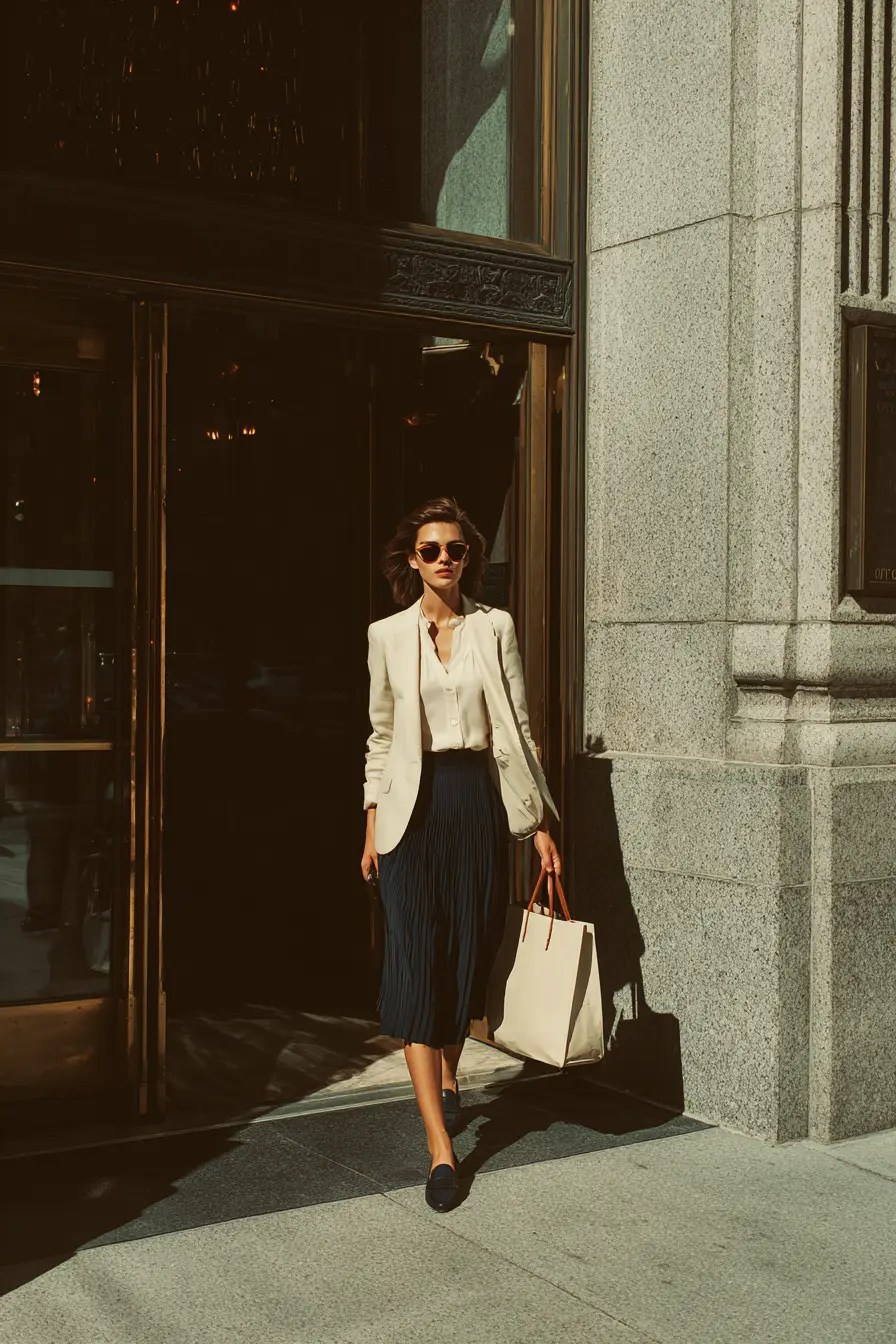
I used to skip the bag upgrade and carry whatever I had, then wonder why my outfits never quite looked as put-together as I intended — turns out the bag was doing a lot of damage quietly.
On Amazon I only look at structured bags with clean hardware and a leather or faux-leather exterior — those two things are what separate a polished work bag from something that reads as an afterthought, and they’re easy to filter for in the listings.
FAQ: Business Casual for Women
These are the questions I see most often — and a few I’ve asked myself when starting out.
Final Thoughts: Your Business Casual Formula
The most important thing I’ve learned about business casual is that it’s not about owning more — it’s about owning the right pieces in combinations you actually understand. Once you have a reliable formula, getting dressed becomes effortless rather than stressful. You stop buying things that don’t fit the system, and the wardrobe starts working for you instead of against you.
Also, don’t try to build it all at once. Start with the two or three pieces you wear most — probably trousers, a blazer, and a couple of blouses — and build from there. Each new piece should make at least two of your existing pieces more useful. If it doesn’t, it’s probably not the right addition yet.
🧶 Your 3-Step Formula
- Choose a base → Start with tailored trousers, a midi skirt, or a structured dress in a neutral color. This is the foundation everything else builds on.
- Add a polished top layer → A fitted blazer, structured cardigan, or silk-look blouse over your base immediately shifts the look into business casual territory without overthinking it.
- Finish with intention → Loafers, block heels, or pointed flats plus a structured bag are the two details that make the difference between “almost business casual” and the real thing.
Which of these looks are you most likely to try first — the classic blazer-and-trouser combo, the midi dress route, or something more season-specific? Drop a comment below — I genuinely want to know which formula clicks for your office environment.