✨ This post was created with the support of AI tools and carefully edited by our team. Learn more in our Editorial Policy.
🛍️ This post contains affiliate links. As an Amazon Associate, we earn from qualifying purchases — at no extra cost to you. We only recommend products we’d actually wear.
Job Interview Outfits for Women in Their 30s
I walked into my first “real” interview in my 30s wearing a blazer I’d bought for a college presentation — and the second I sat down, I knew it was wrong. Not unprofessional, just off. In your 30s, you’re not dressing to look like you belong in the room anymore; you’re dressing like you already do. This guide covers exactly how to put together interview outfits that feel polished, modern, and completely like you — no matter the industry.
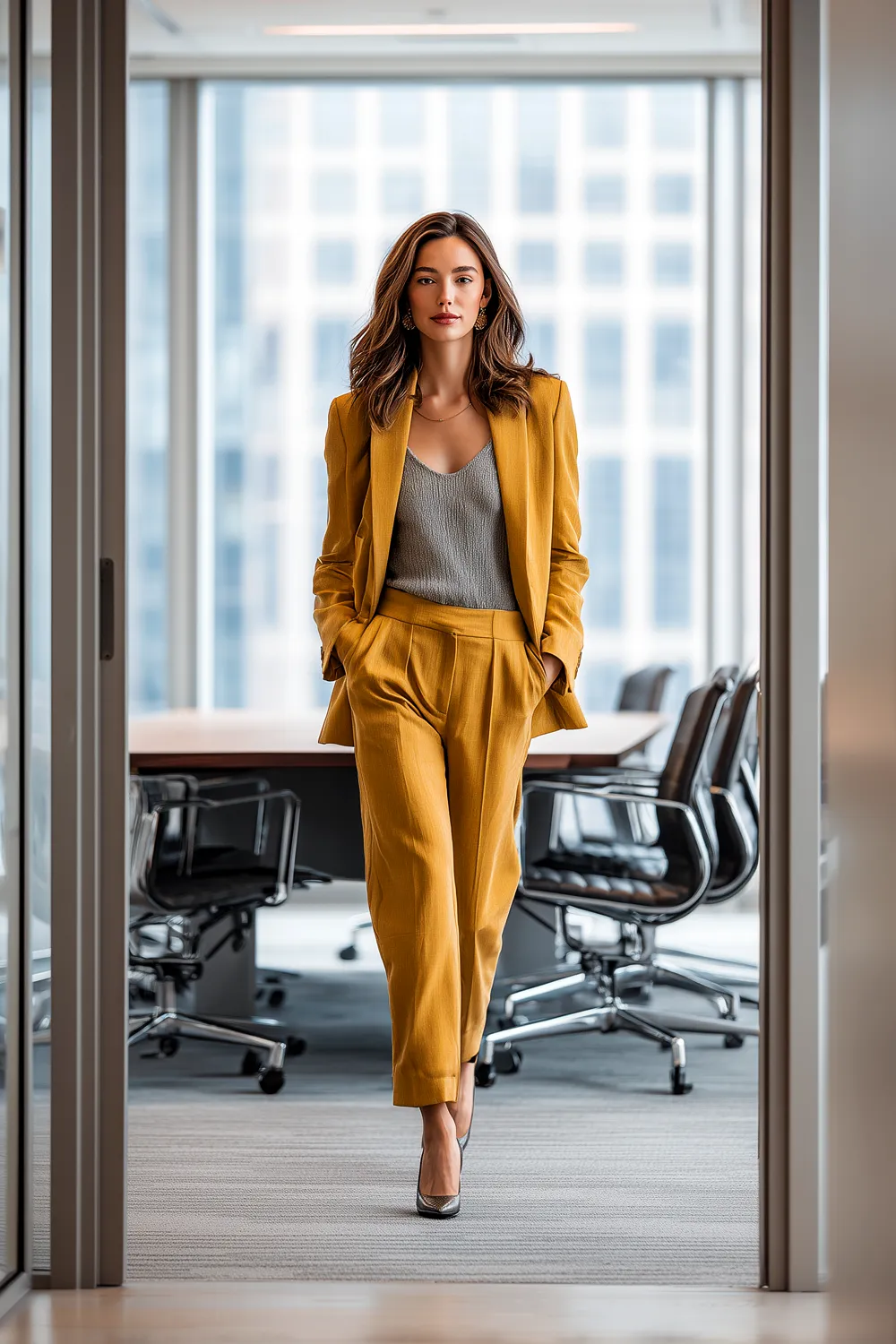
Why Interview Style Changes in Your 30s
In your 20s, interview dressing is mostly about looking older and more serious than you feel. You borrow a blazer, you play it safe, you hope nobody notices the shoes don’t quite match the bag. By your 30s, that whole dynamic flips. You have professional context now — a track record, a point of view — and your outfit should reflect that without drowning it out.
The goal isn’t to look buttoned-up to the point of being forgettable. It’s to look intentional. There’s a big difference between “she clearly tried” and “she clearly has taste,” and in your 30s, you’re aiming squarely for the second one. That means fit matters more than labels, fabric quality reads louder than brand names, and the details — a clean hem, an unscuffed heel, a bag that doesn’t sag — are what actually move the needle.
There’s also the confidence factor. The right interview outfit doesn’t just impress the hiring manager; it changes how you carry yourself in the room. When your clothes fit properly and feel like you, you stop thinking about them — which means you can focus entirely on the conversation. That’s the real ROI of dressing well for an interview.
How to Choose Interview Pieces That Look Expensive
The first thing I look at in any potential interview piece is fit, not price. A mid-range blazer that’s been properly tailored will always beat a designer one that pulls across the shoulders. For women in their 30s, slightly oversized or boxy silhouettes can work in some settings, but for interviews specifically, a clean, fitted line reads as more authoritative and put-together — especially on camera, where proportions shift.
Fabric is the second signal most interviewers pick up on without realizing it. Natural fibers — wool, cotton, silk-blend, linen (in warmer months) — drape differently than synthetics and tend to hold their shape throughout a long interview day. Polyester wrinkles fast and can look shiny under harsh lighting. If a full natural-fiber wardrobe isn’t in the budget, focus at least on the top layer — your blazer or outer shirt — since that’s what registers first.
✅ Your Interview Outfit Checklist
- Fit is clean at the shoulders and through the torso — no pulling, no gaping
- Hemlines are even — check trousers and skirts front and back
- Fabric is wrinkle-resistant or freshly steamed
- Color palette is intentional — no more than three tones
- Shoes are clean, heels are unscuffed
- Bag is structured or semi-structured — no floppy totes
- Jewelry is minimal — one or two pieces max
- Nothing too tight, too sheer, or too short for a seated position
✗ Avoid
- Anything that requires constant readjusting
- Loud prints or distracting patterns
- Overly trendy pieces that date the look
- Shoes you’ve never broken in
- Strong perfume — it can be polarizing in enclosed spaces
- Athleisure fabrics, no matter how “elevated” they feel
✔️ Go For
- Tailored blazers in neutral or muted tones
- Trousers with a clean break at the ankle
- Silk or silk-blend blouses that photograph beautifully
- A structured bag in black, navy, or camel
- Block-heeled pumps or loafers for comfort and polish
- A belt or tuck detail that creates a waist
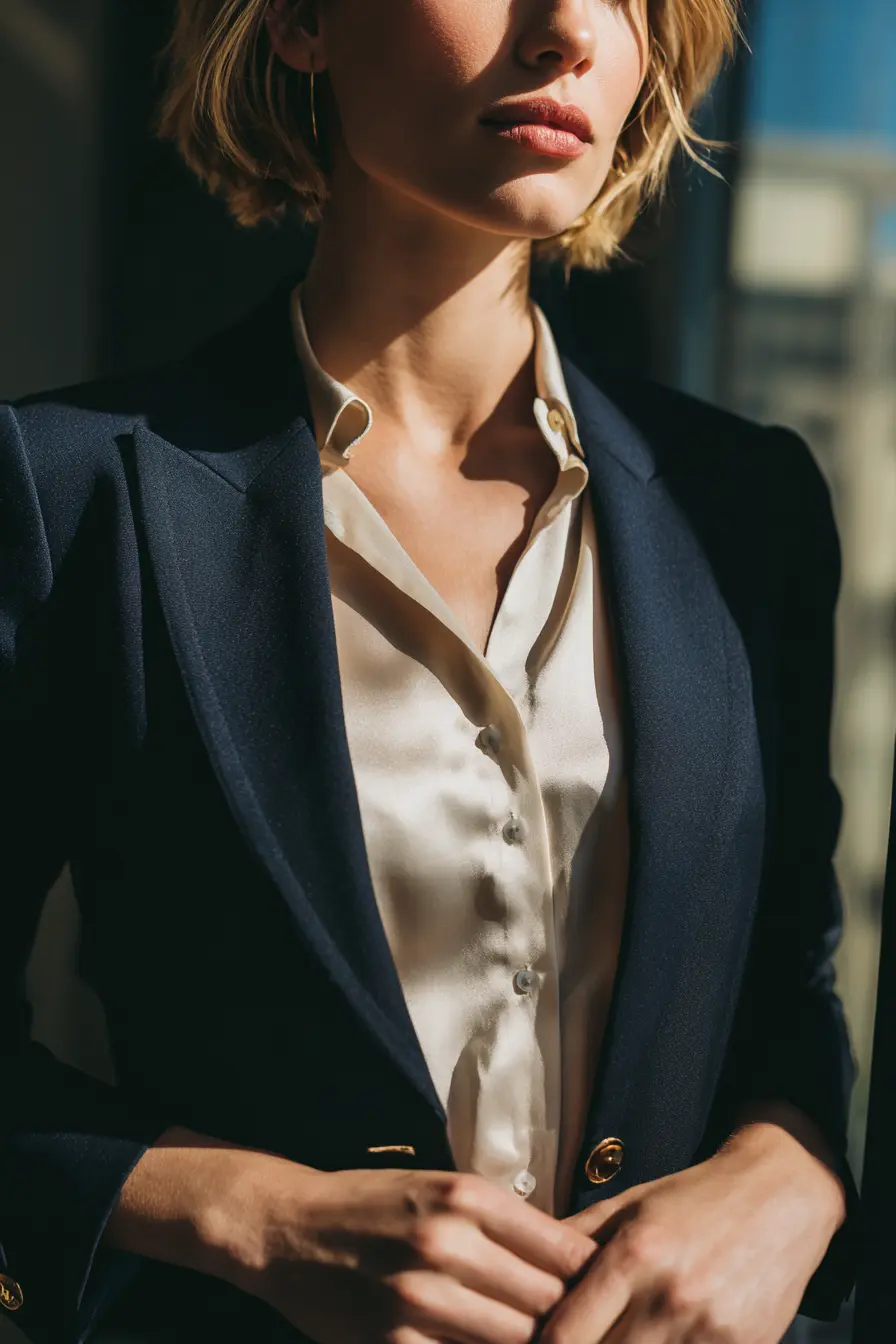
I’ve picked up blazers that looked incredible on the hanger but felt stiff and scratchy after twenty minutes of wearing them — which is the last thing you need when you’re trying to stay focused in an interview room.
On Amazon I filter specifically for listings that mention a ponte, stretch-wool, or lined interior — those details are usually the difference between a blazer that looks polished and one that feels like a costume.
10+ Interview Outfit Ideas for Women in Their 30s
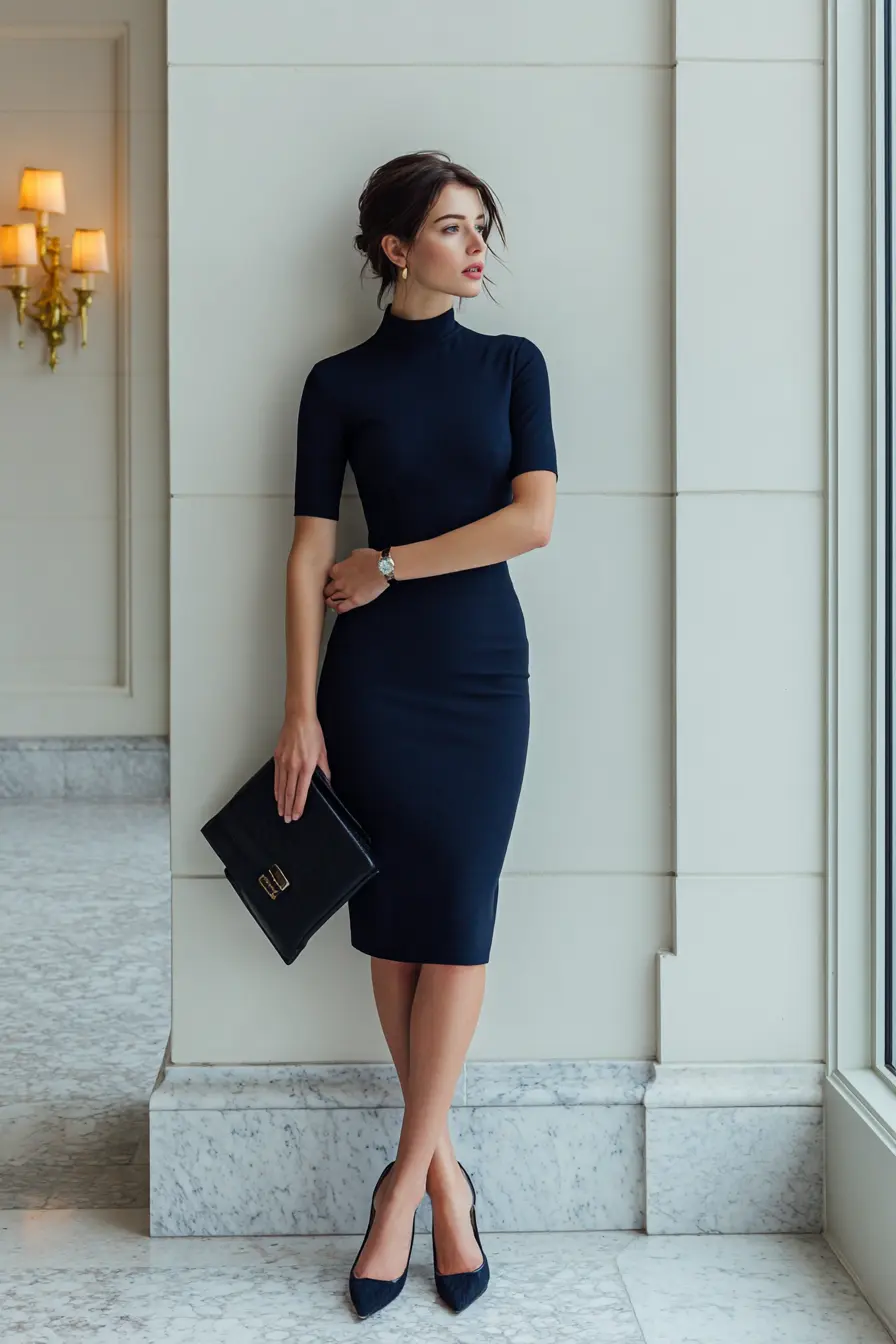
These aren’t hypothetical runway looks — they’re the kind of outfits that actually work when you’re sitting across from a panel of three people who are sizing you up in the first 30 seconds. Each one is built around a real scenario, with actual combinations that translate to different industries, seasons, and body types.
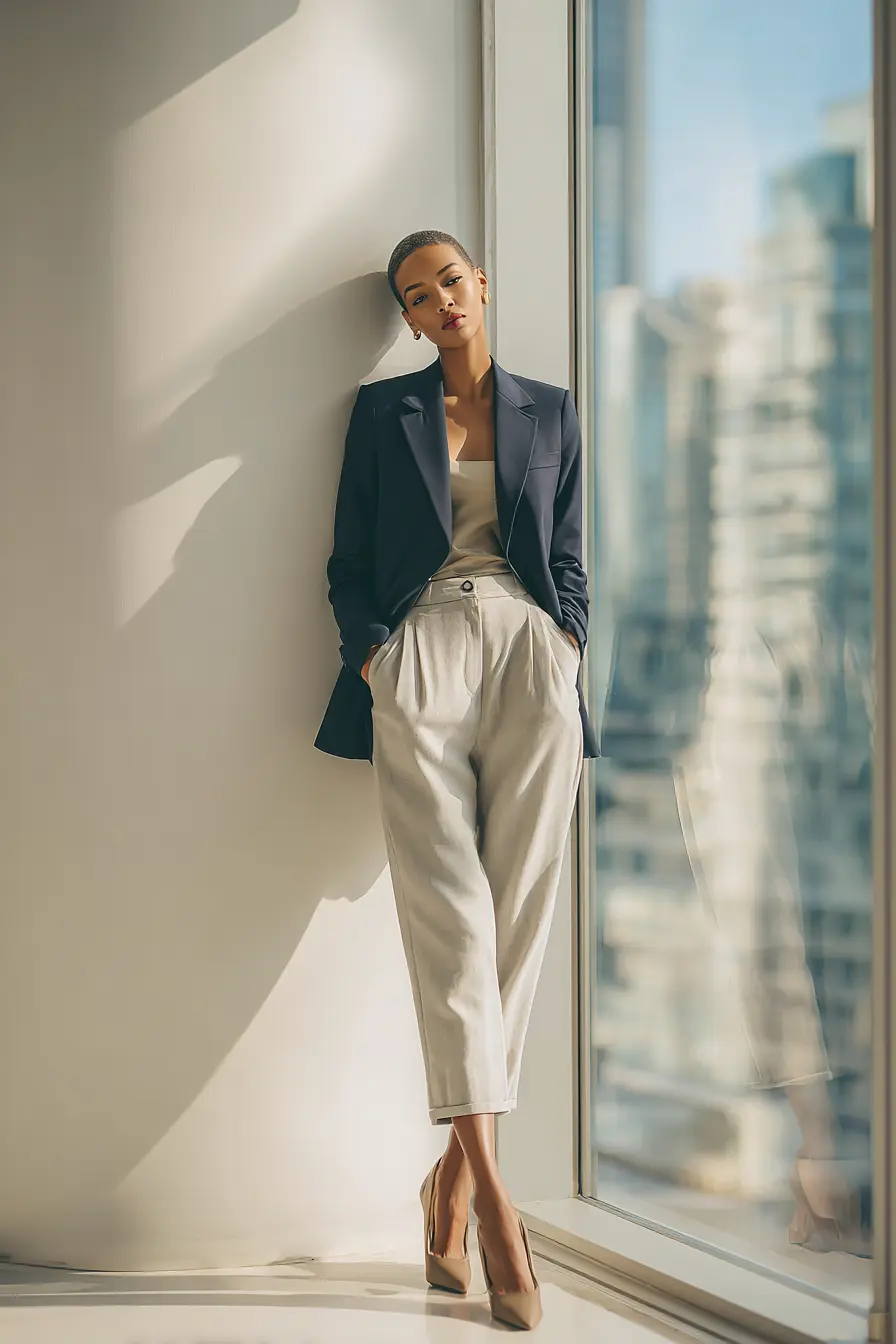
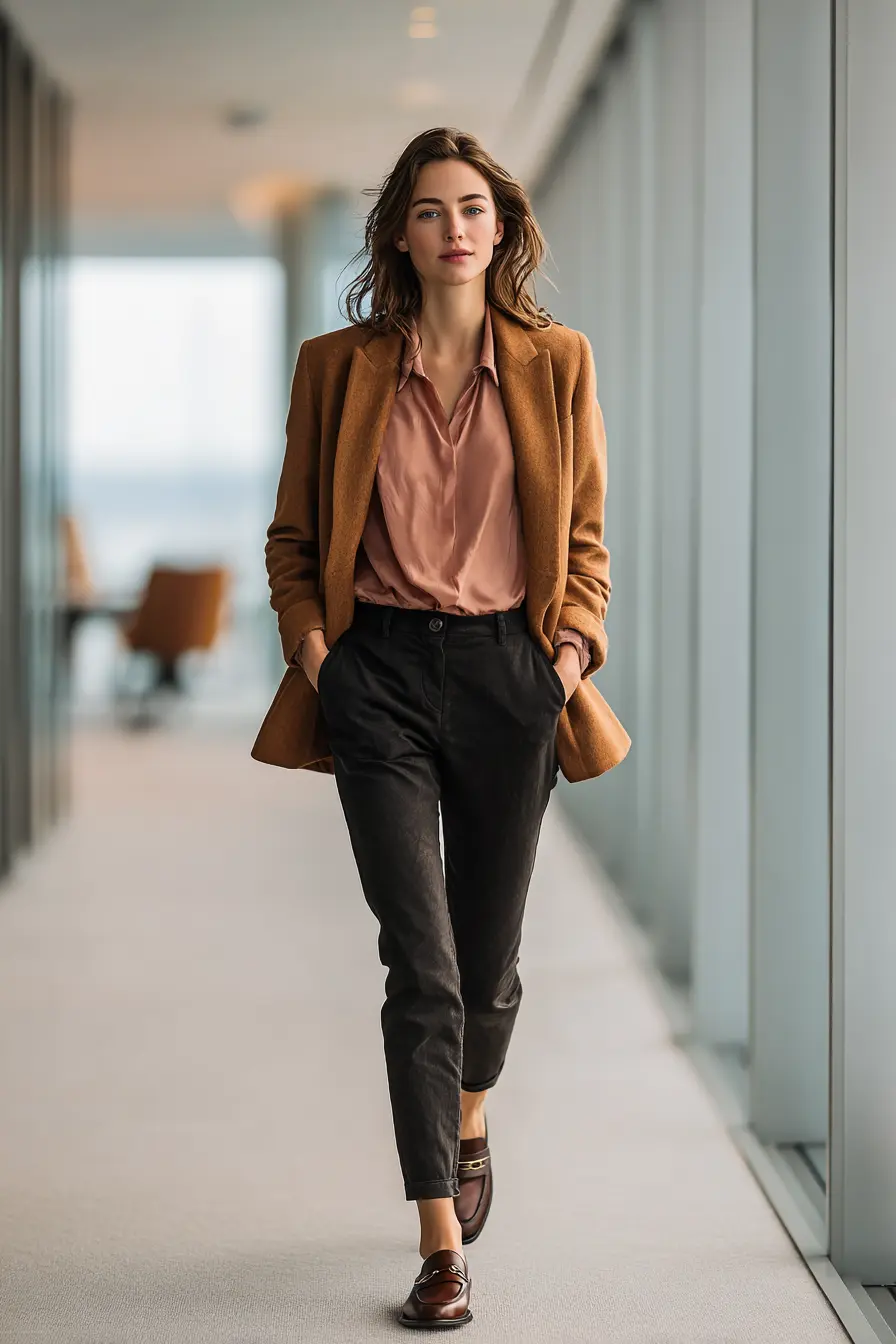
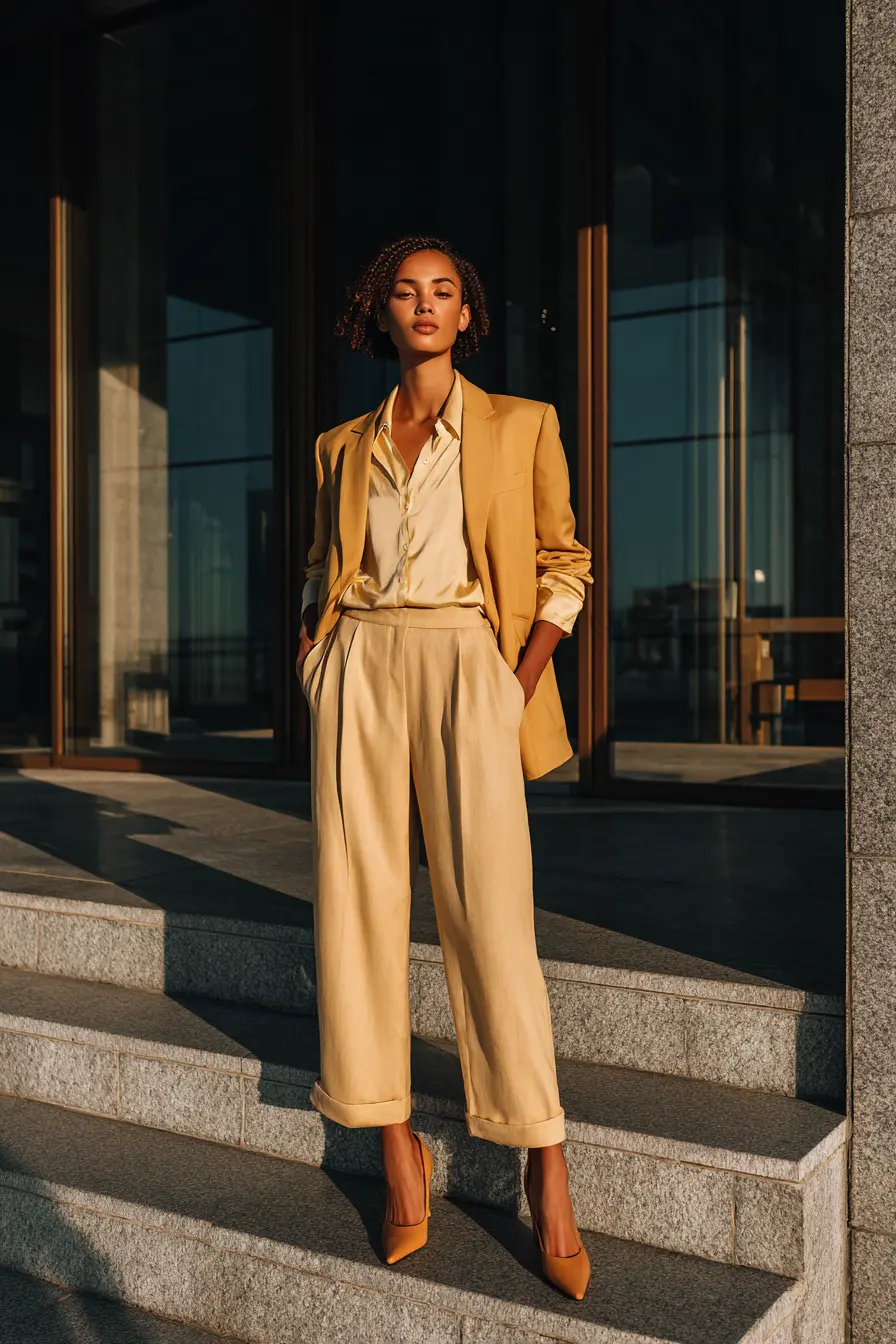
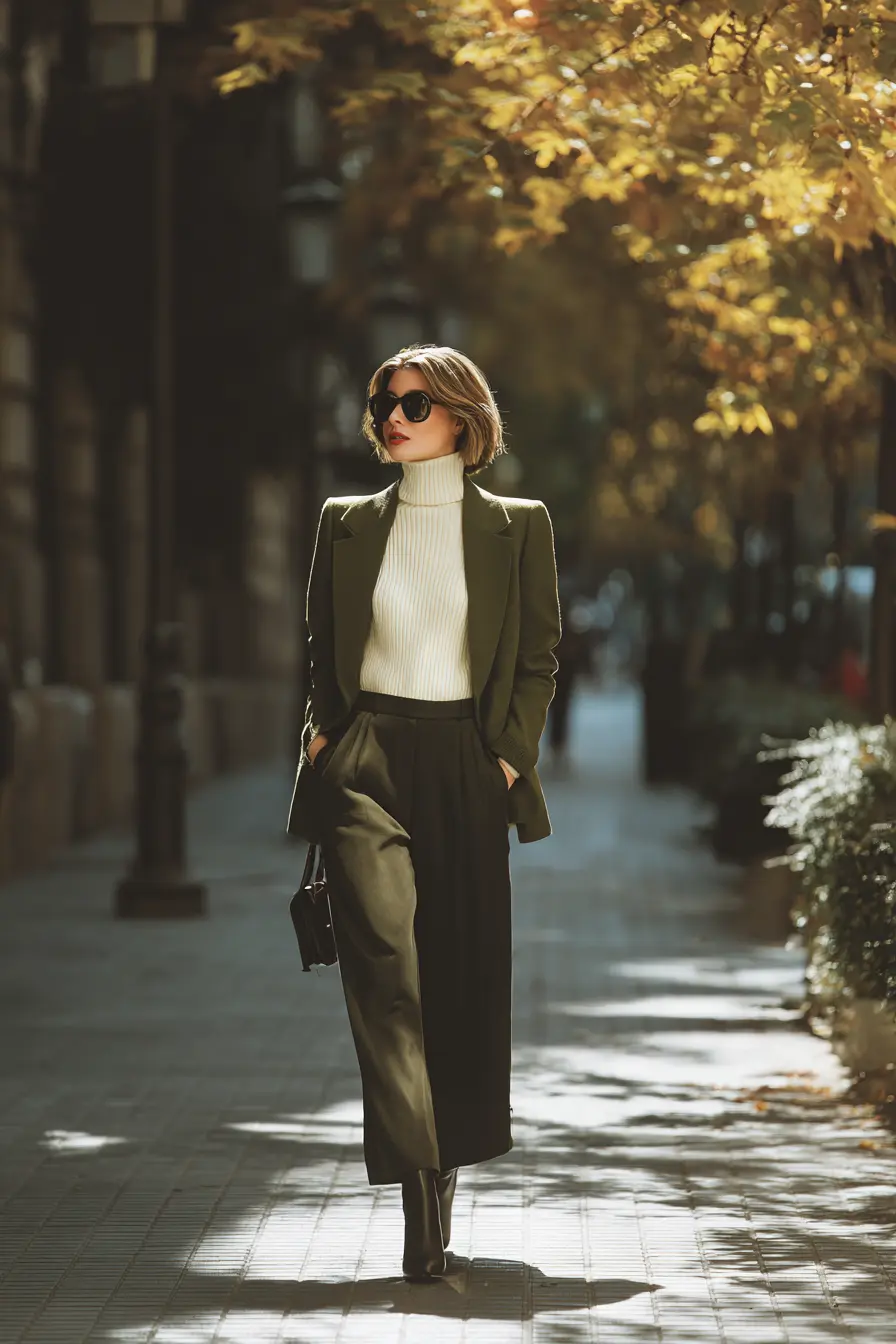

I wore jeans to a startup interview once and genuinely agonized over it the night before — but the company’s Instagram was full of people in hoodies, so dark slim jeans with a blazer felt right and it was.
When I shop for interview blouses on Amazon, I look for “crêpe” or “georgette” in the description — both hold their shape well over a long day without needing to be re-tucked every hour.
Types of Interview Attire (And How to Style Each)
Interview dress codes tend to fall into four categories — and the mistake most women make is defaulting to the most formal version regardless of context. Dressing too formally for a casual company can signal that you didn’t do your homework; dressing too casually for a conservative firm signals the same thing in a different direction. Here’s how to read the room and dress accordingly.
Business Formal
This is the classic tailored suit territory — blazer and matching trousers or skirt, structured heel, minimal accessories. Reserved for law firms, finance houses, C-suite interviews, and any environment where the word “client-facing” appears in the job description. When in doubt about whether formal applies, it usually does.
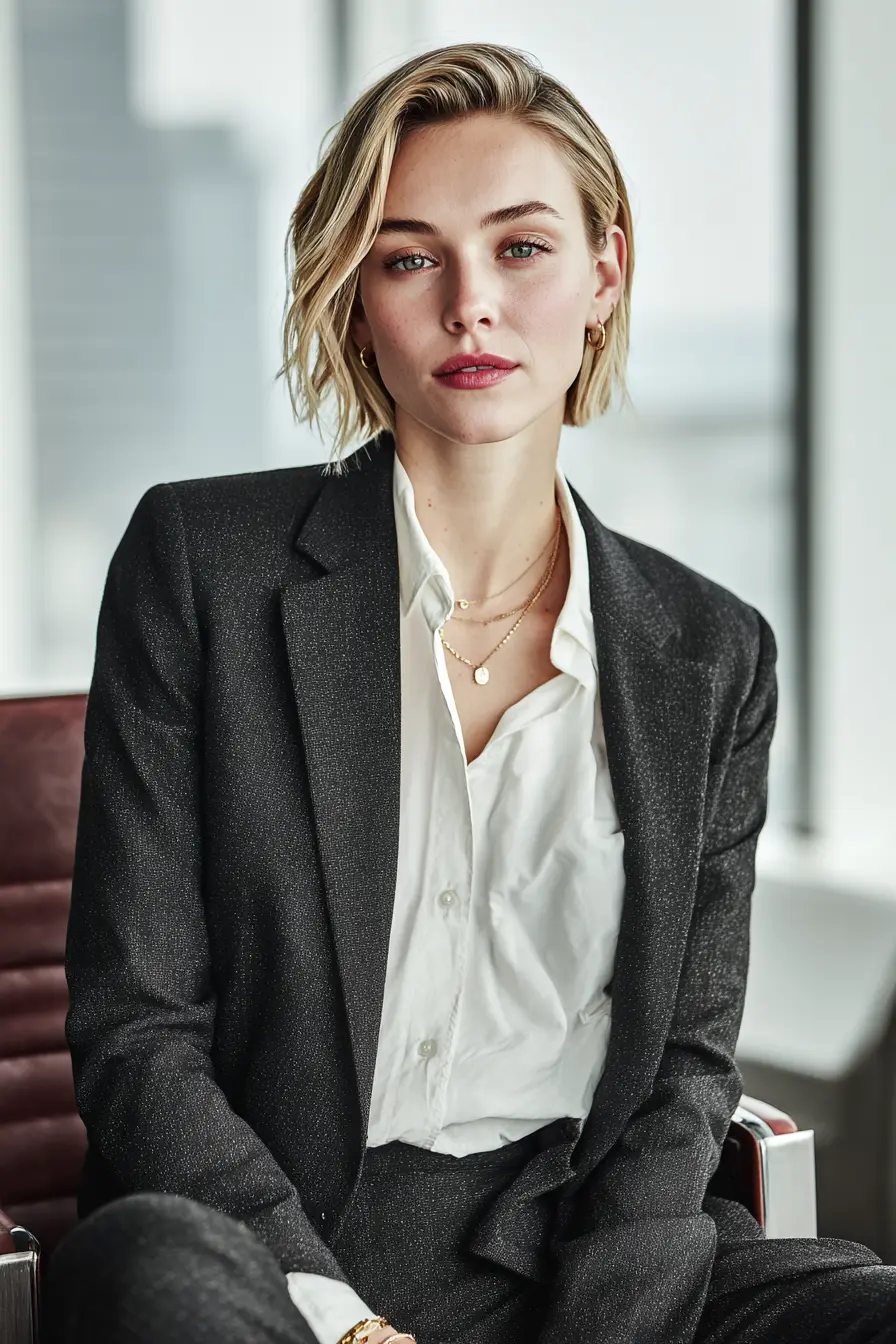
Best for: Law firms, finance, banking, executive roles, traditional corporate environments
Business Casual
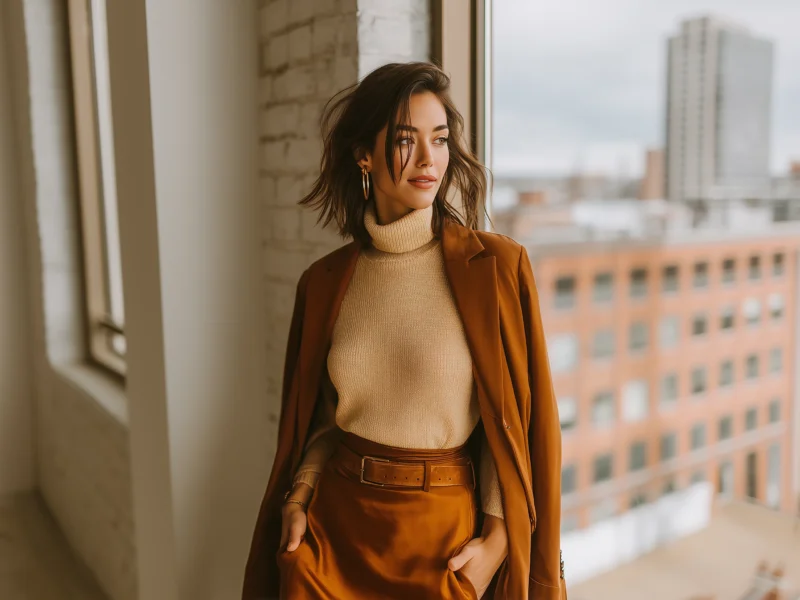
The most common dress code for interviews across industries right now. Business casual means you can drop the matching suit but you still need polish. A blazer worn with non-matching trousers, a midi dress with a cardigan, or smart separates that have clearly been chosen with intention — these all qualify. This is also the sweet spot for mastering effortlessly chic work outfits that translate straight from the interview into the job itself.
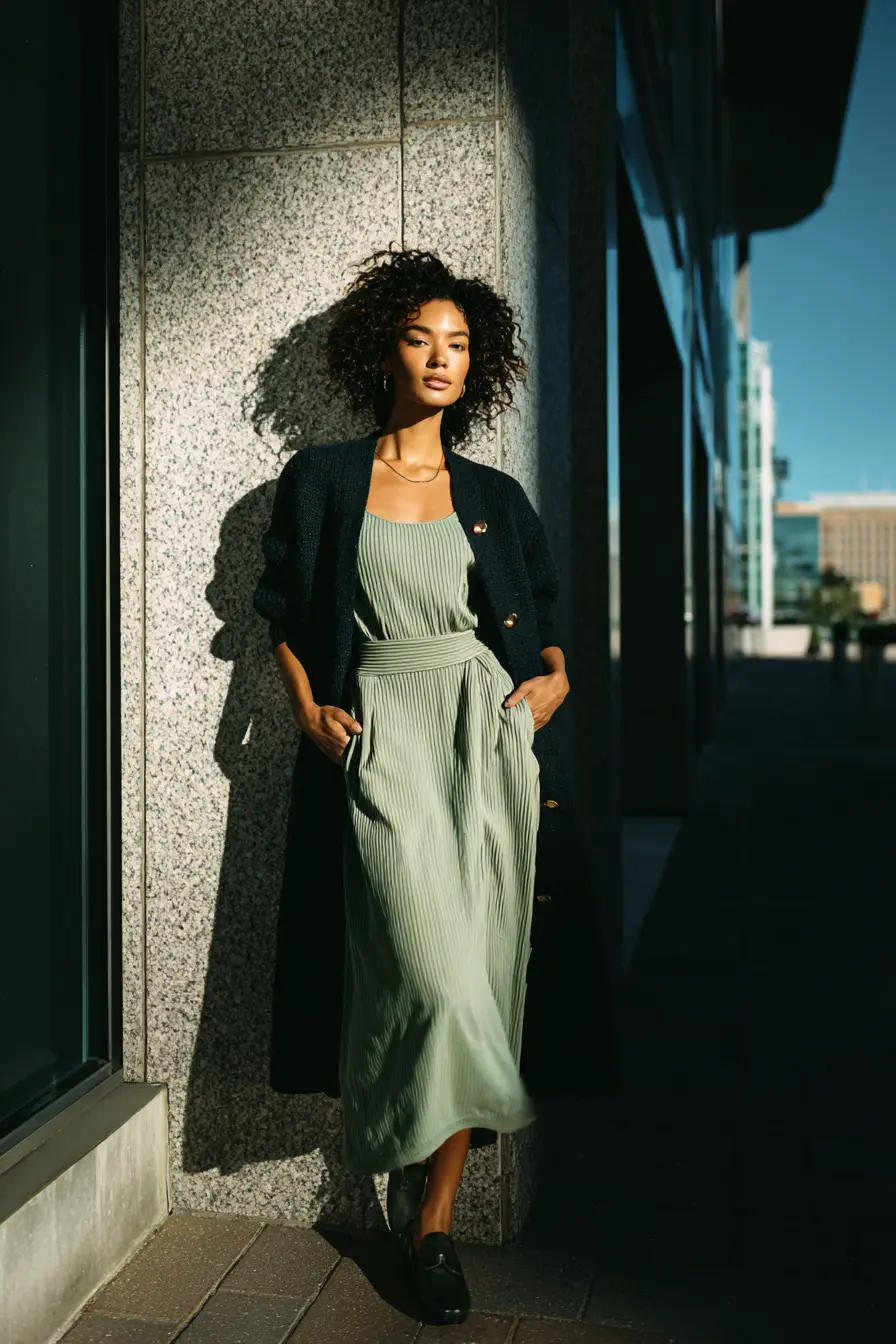
Best for: Tech companies, marketing agencies, consulting firms, mid-size corporate environments
Smart Casual (Creative Sectors)
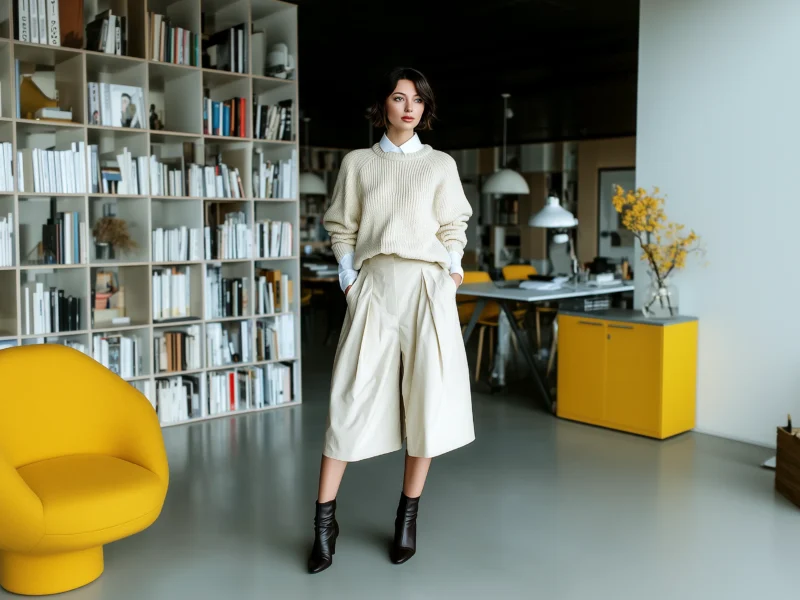
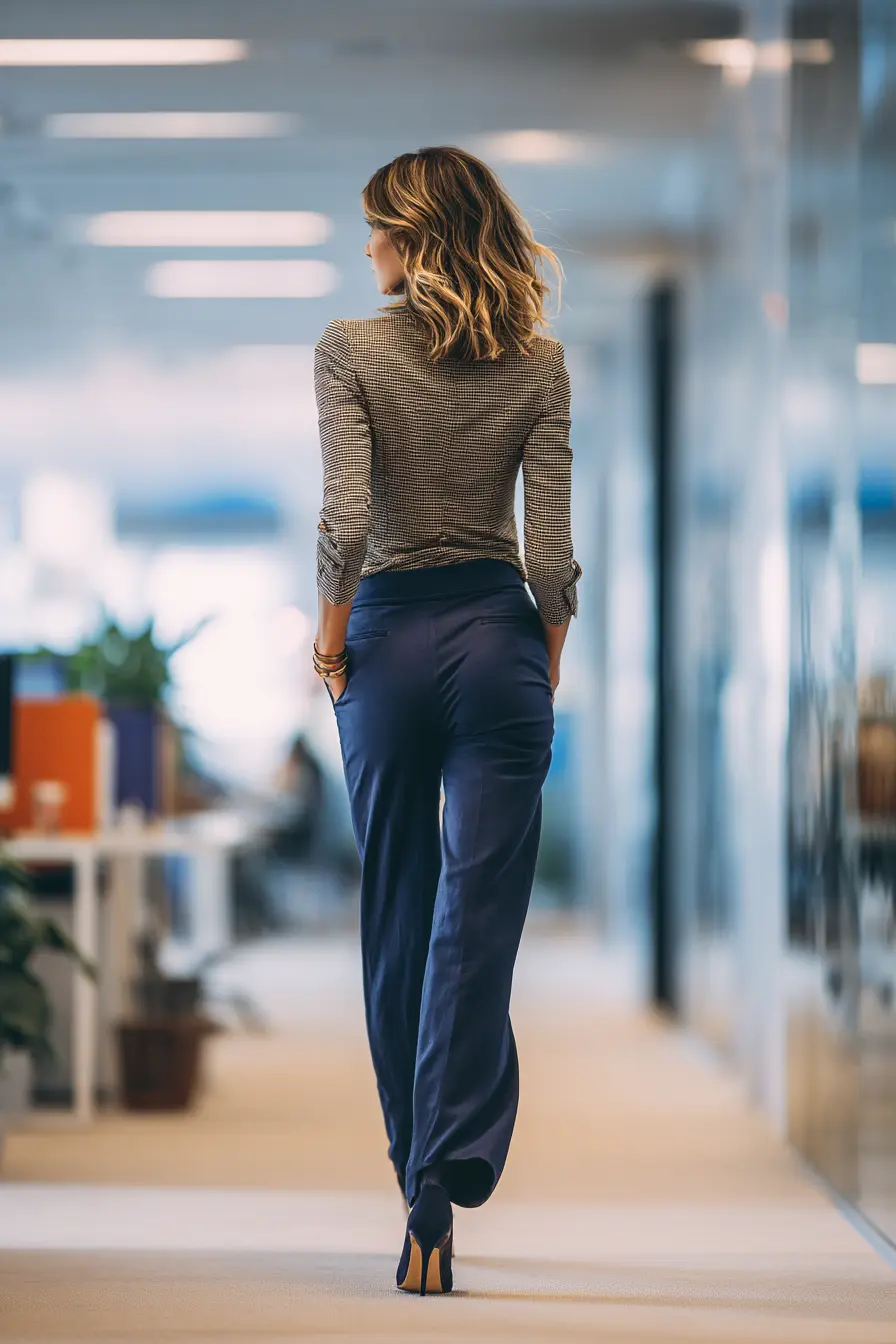
When the job description mentions words like “dynamic,” “collaborative,” or “innovative,” you’re likely looking at a smart casual culture. This doesn’t mean anything goes — it means personality is welcome alongside professionalism. A well-fitted wide-leg trouser with an interesting blouse and a longline coat, for example. Or dark jeans elevated with a blazer and a clean heel. The trick is to let one element be expressive and keep everything else anchored and clean.
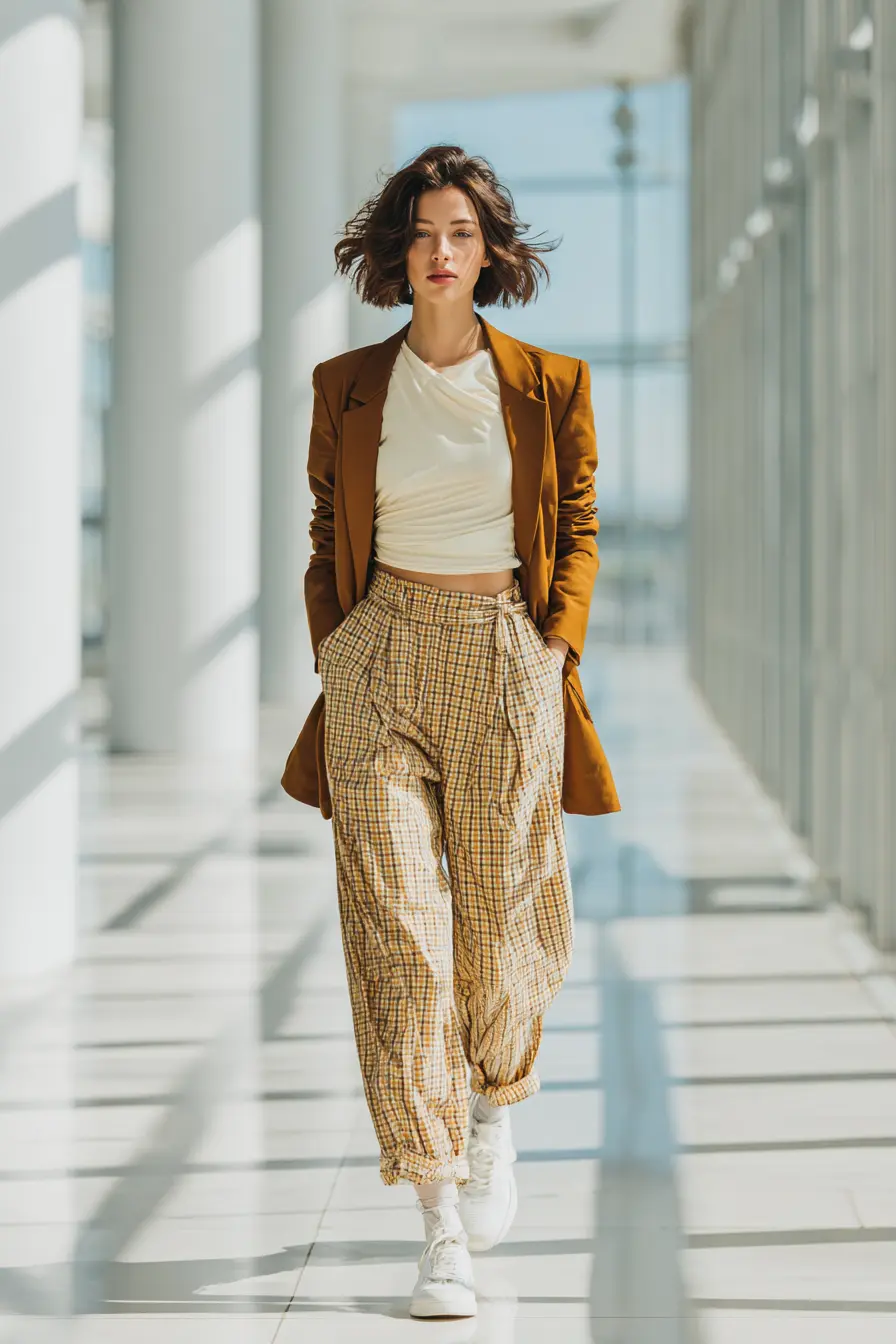
Best for: Design studios, creative agencies, fashion, media, tech startups
Remote / Video Interview
Video interviews have their own specific considerations that most people underestimate. Color reads differently on camera — jewel tones and deep solids come across as confident and warm, while white can wash out and busy patterns create visual noise. Fabric texture also matters: matte fabrics like ponte, crêpe, and matte satin photograph cleanly, while silky synthetic fabrics can catch the light in unflattering ways. And yes — you should still wear trousers. Standing up to grab something mid-call happens more often than you’d think.

Best for: Remote-first companies, first-round screening calls, roles in any industry conducted via video
I showed up to a video interview once wearing a pale grey blouse that looked fine on my bedroom mirror but completely washed me out on camera — I only noticed when I saw the recording they sent after.
Now I filter for “matte finish” or look for ponte and crêpe descriptions when buying video-call tops on Amazon — those fabrics are forgiving under webcam lighting in a way that silk and satin just aren’t.
Interview Outfits by Setting: Corporate, Creative & Remote
One of the smartest things you can do before any interview is spend twenty minutes looking at the company’s social media and LinkedIn photos of the team. Culture codes are visible everywhere — you can usually tell within a few scrolls whether people are in suits, blazers, or hoodies. Use that. Matching the energy of the environment signals that you understand where you’d fit in, and that reads as self-aware in the best way possible.
Dressing for Seasonal Conditions
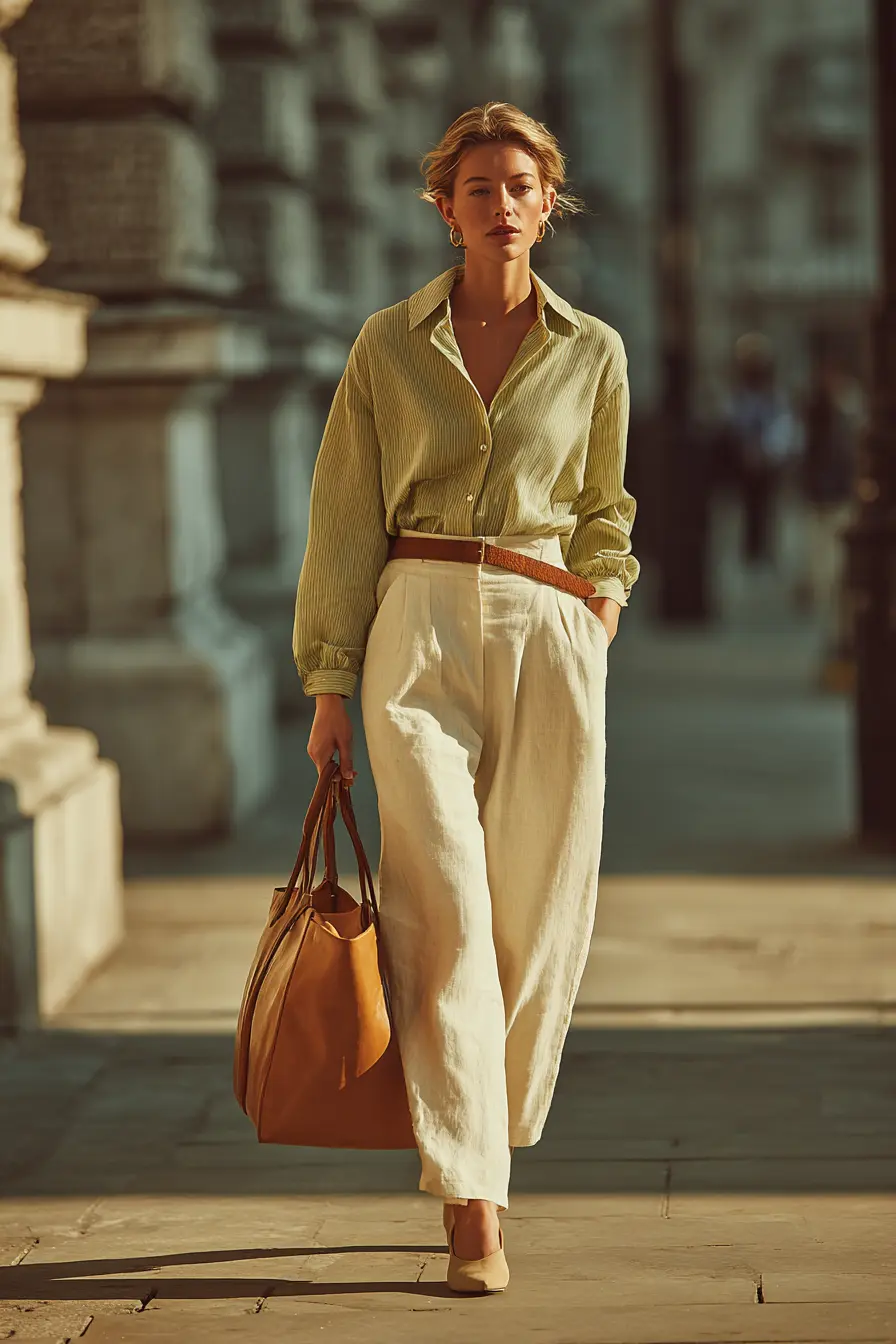
Spring and summer interviews have a unique challenge: looking polished when it’s hot. Linen-blend trousers and lightweight crêpe blouses are your best allies. If you’re interviewing in summer, wear natural fibers that breathe — and consider the commute as part of the outfit equation. Arriving flustered and damp is its own kind of first impression. If you can change on arrival (light shell underneath a blazer you remove for the commute), that’s worth planning for. For fall and winter looks that translate beautifully to both interviews and the workplace, these fall workwear ideas are a great reference for building interview-ready cold-weather looks.
Dressing for Your Body Type
The underlying principle for any body type is the same: proportion and fit. Emphasize the parts of your body you feel most confident about and use structure and tailoring to create the silhouette you want. For petite frames, cropped blazers and high-waisted trousers create length — avoid anything that cuts you off at an unflattering point. For fuller figures, wrap-style tops or blouses with a defined neckline and wide-leg trousers create beautiful balance. The most important thing: try the outfit while sitting down, not just standing. Interview chairs can reveal fit issues that a standing mirror won’t. If you’re building a wardrobe of minimalist outfits with neutral colors, those same pieces translate directly to interview-ready looks with minimal effort.
- Petite frames: cropped blazers, high-waisted wide-leg trousers, monochromatic palettes to elongate
- Tall frames: midi-length hemlines, belted silhouettes, bold layering plays very well
- Apple shapes: V-necklines, flowy tops under structured blazers, wide-leg trousers over slim
- Pear shapes: structured shoulders, A-line skirts, darker trousers with a statement top
- Curvy figures: wrap-style tops, well-structured blazers, midi pencil skirts that follow — not cling to — the silhouette
Common Interview Outfit Mistakes to Avoid
-
1
Wearing something brand new that you haven’t tested
Fix: Wear new pieces at least once before the interview — sit in them, walk in them, raise your arms. An interview day is the worst possible time to discover a waistband rolls or a blouse gaps. -
2
Ignoring the seated check
Fix: Sit down in your full outfit and look in the mirror. Check for skirt hemlines that ride up, blouses that gap, and trousers that pull. Most interviews happen while sitting down — your outfit should work in that position. -
3
Over-accessorizing
Fix: One or two pieces maximum. A pair of stud earrings and a slim watch is the ideal ceiling. Bangles that jingle, statement necklaces that compete with your neckline, and multiple rings are all distractions from the actual conversation. -
4
Wearing shoes you haven’t broken in
Fix: Wear your interview shoes around the house for at least a few hours first. Blisters or discomfort change how you walk and how you sit — and physical discomfort always leaks into how you come across in conversation. -
5
Defaulting to all-black without intention
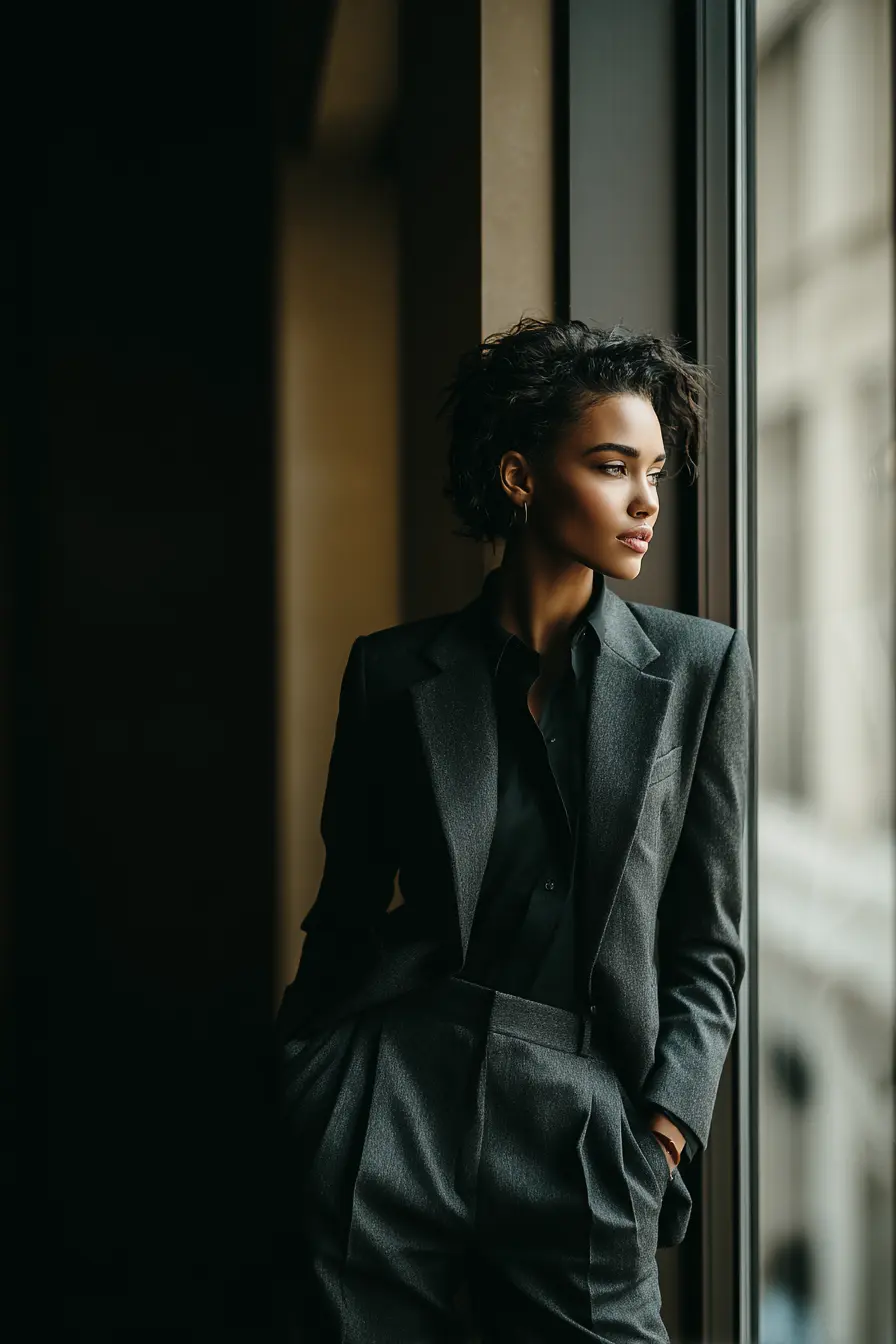
Fix: All-black can absolutely work for interviews — it reads as sophisticated when the pieces are quality and well-fitted. The mistake is wearing it because it feels “safe” without considering whether the tones match and the fabric quality holds up under lighting. Mixing warm and cool blacks often looks unintentional. If you love all-black winter outfits, make sure all your pieces are from the same tonal family. -
6
Underdressing because the company culture seems casual
Fix: Always dress one level up from what you think the day-to-day dress code is. Even at a hoodie-and-sneakers startup, a blazer over jeans for the interview signals that you’re taking it seriously. You can always relax the dress code once you’re in. -
7
Carrying a bag that’s too casual or too enormous
Fix: Your bag is part of the interview outfit. A floppy canvas tote or an oversized weekender signals disorganization. Choose something with structure — a medium-sized leather or vegan leather bag in a neutral tone that you can set on the table without it collapsing on itself. -
8
Choosing comfort over presentation when they conflict
Fix: This doesn’t mean suffering through painful shoes all day — it means not wearing athleisure-adjacent pieces, overly relaxed fits, or anything that reads as “I’d be more comfortable at home.” Interview confidence comes partly from knowing your outfit is doing its job. Prioritize both by buying quality pieces that actually fit. -
9
Wearing strong fragrance
Fix: Keep scent minimal or skip it entirely. Interview rooms are often small and enclosed. What smells balanced at home can feel overwhelming in a conference room. A light spritz on your wrists, if anything at all.
FAQ: Interview Outfits for Women in Their 30s
Final Thoughts + Your 3-Step Formula
Honestly, interview dressing in your 30s shouldn’t stress you out the way it might have in your 20s. You know more about what works on your body, you’ve probably found your personal style, and you understand that clothes are a tool — not a performance. The job is to get dressed in a way that takes the focus off your outfit entirely, so everything in that room is about the conversation.
The best interview outfit is one that you forget you’re wearing after the first ten minutes. That’s the benchmark. Build toward that with good fit, quality fabric, and intention — and the rest takes care of itself. For building a wardrobe that transitions seamlessly from interviews to the daily office, exploring office winter outfits for women or fall workwear looks will give you plenty of investment-worthy starting points.
💼 Your 3-Step Interview Outfit Formula
- Read the Room First → Research the company’s culture before choosing your outfit. LinkedIn team photos, company Instagram, and the job description language are all style cues. Then dress one level up from what you see.
- Build from the Fit Out → Choose your best-fitting anchor piece first — usually your blazer or trousers — and build the rest of the outfit around it. Fit is the most visible signal of polish, more than price or brand.
- Test It 48 Hours Before → Sit in the complete outfit, walk around in the shoes, check every seam and hem. Solve any problems on your timeline, not in the parking lot before the interview.
I’ve noticed that the outfits I’ve felt most confident in during interviews have one thing in common — they’re pieces I’ve worn and loved before, not new items I’m trying out for the first time.
For interview shoes on Amazon, I specifically look for “block heel” and “padded insole” in the listing — both together mean I can actually walk and focus, rather than thinking about my feet the whole time.
I want to know: what’s the interview outfit you’re building right now, and what industry are you dressing for? Drop it in the comments — I read every single one and I’m genuinely curious whether your situation calls for corporate polish or creative smart-casual. The detail that changes everything is always the context.